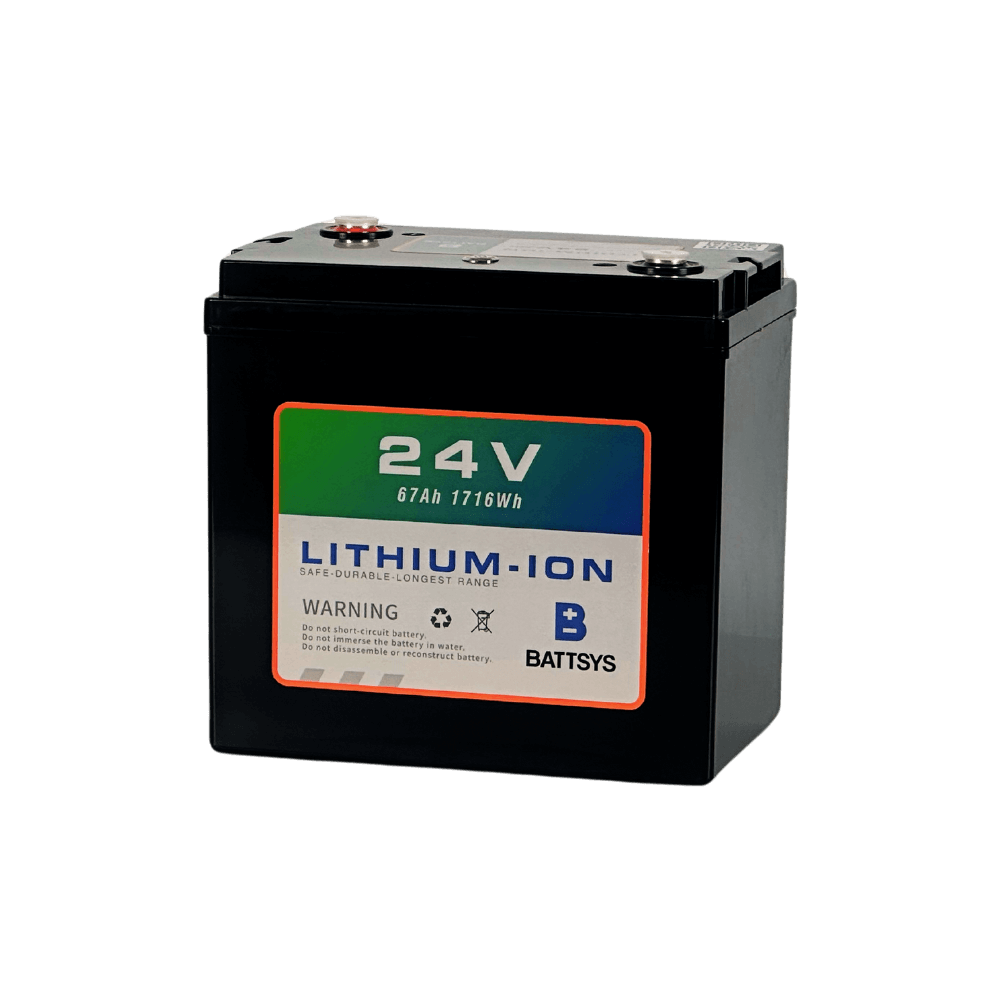
Which type of battery is safer?
There are many types of batteries to choose from in the market, and today we will take a look with you. Among these batteries, the battery is safer.
At present, household electric vehicle
lithium batteries are divided into several types based on the different materials used, including lithium iron phosphate, lithium manganese oxide, and ternary lithium. However, due to differences in materials, the performance of batteries varies greatly, and their safety factors also differ.

1. Lithium iron phosphate battery: a lithium-ion battery that uses lithium iron phosphate as an alternative material. Lithium iron phosphate has high thermal stability and low oxide oxidation ability, therefore it has high safety. But its disadvantage is low conductivity, which requires improvement in technology. Moreover, due to its large capacity, the consistency of the battery is poor. At present, lithium iron phosphate technology is still under research.
2. Lithium manganese oxide battery: a lithium-ion battery that uses lithium manganese oxide as a substitute material. A low-cost alternative material with good safety and low-temperature performance, but the material itself is not very stable and easily decomposes to produce gas. Therefore, it is usually used in combination with other materials to reduce the cost of battery cells, but its cycle life decays faster, it is prone to expansion, has poor high-temperature performance, and relatively short lifespan.
3. Ternary lithium battery: a type of lithium battery that uses lithium nickel cobalt manganese oxide as a short-term material and graphite as a restart material. Among all lithium battery technologies, the energy density is very high, about 250 kWh/m3. Moreover, ternary lithium materials undergo more intense chemical reactions at high temperatures, releasing oxygen molecules and rapidly burning under the influence of high temperatures, leading to explosion accidents. Therefore, ternary lithium batteries have poor safety performance, high temperature resistance, lifespan, and power discharge efficiency.
Based on the above analysis, ternary materials, lithium iron phosphate, and lithium manganese oxide as polar materials have their own advantages in the application of lithium batteries. If we go from safety to correctness, lithium iron phosphate is more worthy of current choice, and improving the safety of ternary lithium has become the research and development direction of major manufacturers.