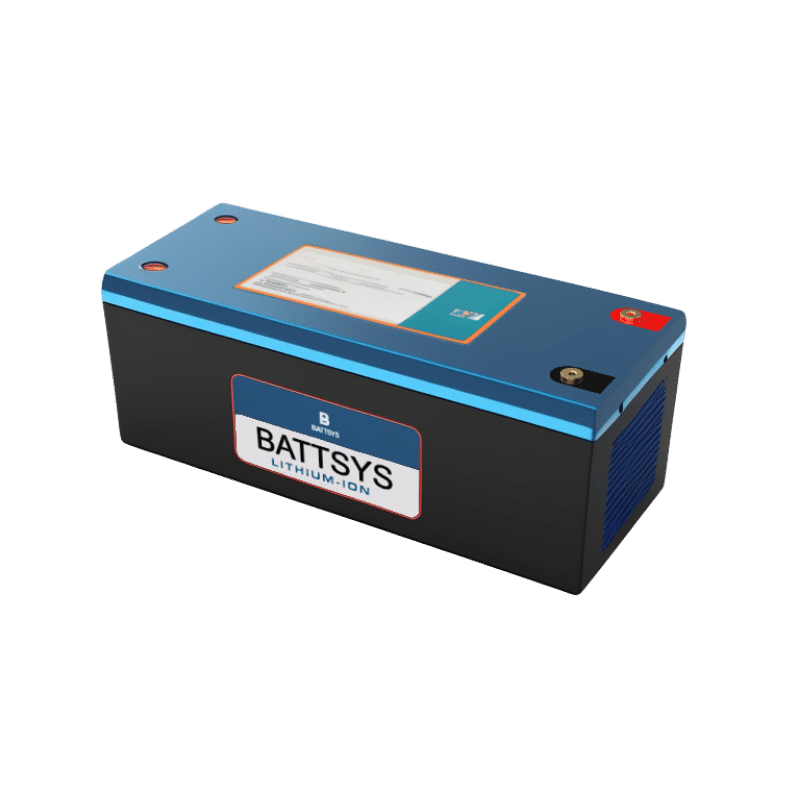
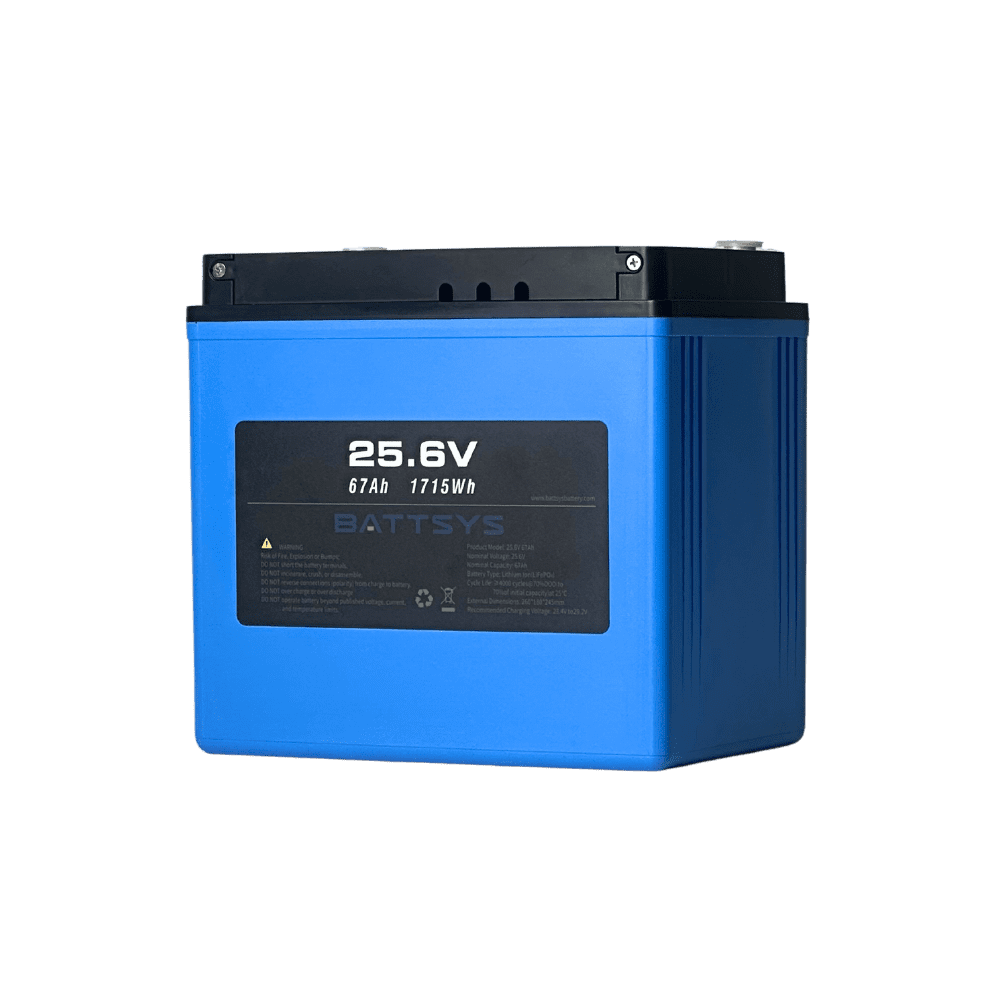
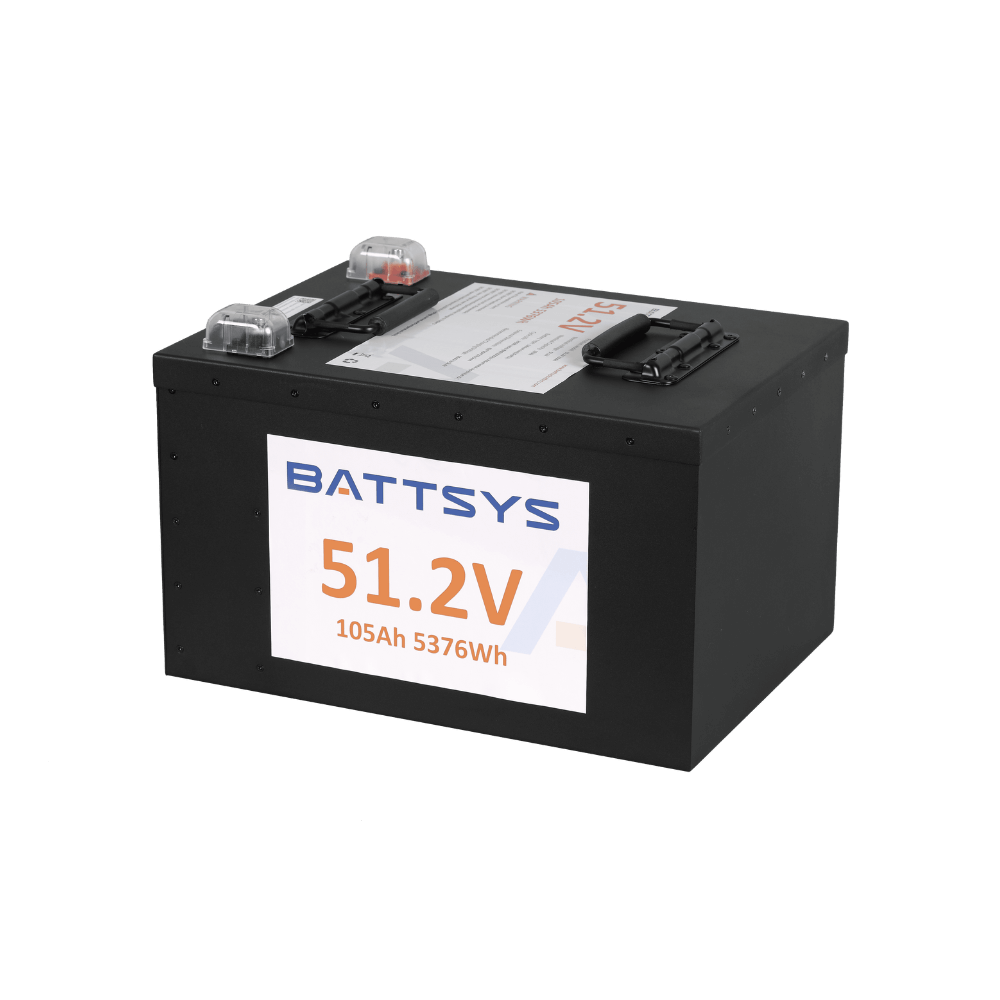
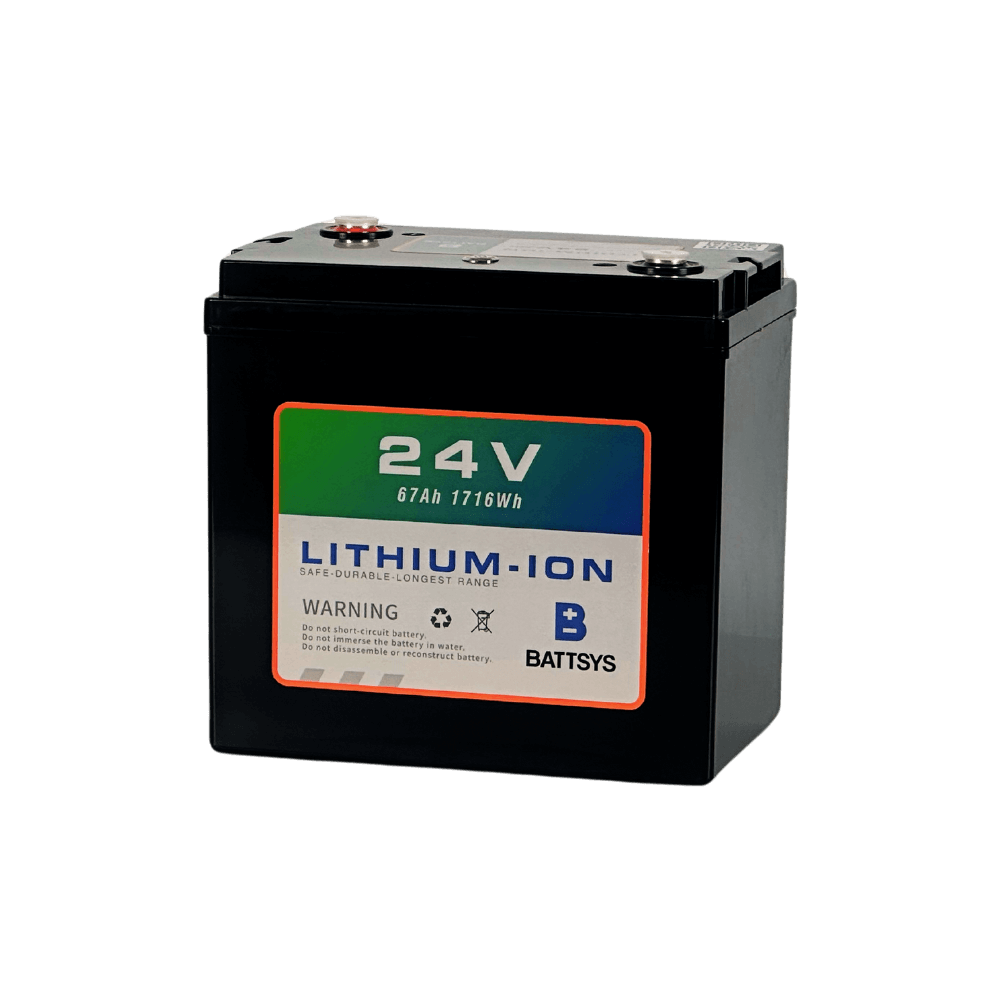
Detailed explanation of lithium polymer batteries.
Many people know the name of polymer lithium batteries, but for this specific type of battery, today the polymer lithium battery supplier will provide you with a detailed introduction to this polymer lithium battery.

According to the different electrolyte materials used in
lithium-ion batteries, lithium-ion batteries are divided into liquid lithium-ion batteries and polymer lithium-ion batteries or plastic lithium-ion batteries. The positive and negative electrode materials used in polymer lithium-ion batteries are the same as those used in liquid lithium-ion batteries. These materials are divided into cobalt lithium oxide, lithium manganese oxide, ternary materials, and lithium iron phosphate materials, which are graphite. The working principle of batteries is also basically the same. The main difference lies in the electrolyte. Liquid lithium-ion batteries use liquid electrolytes, while polymer lithium-ion batteries use solid polymer electrolytes. The polymer can be "dry" or "colloidal". Yes, most of them use polymer gel electrolytes.
classification
Solid polymer electrolyte for lithium-ion batteries is a mixture of polymer and salt. This battery has high ion conductivity at room temperature and can be used at room temperature.
The gel shaped polymer electrolyte lithium ion battery adds additives such as plasticizers to the solid polymer electrolyte, thereby improving the ionic conductivity and making the battery usable at room temperature.
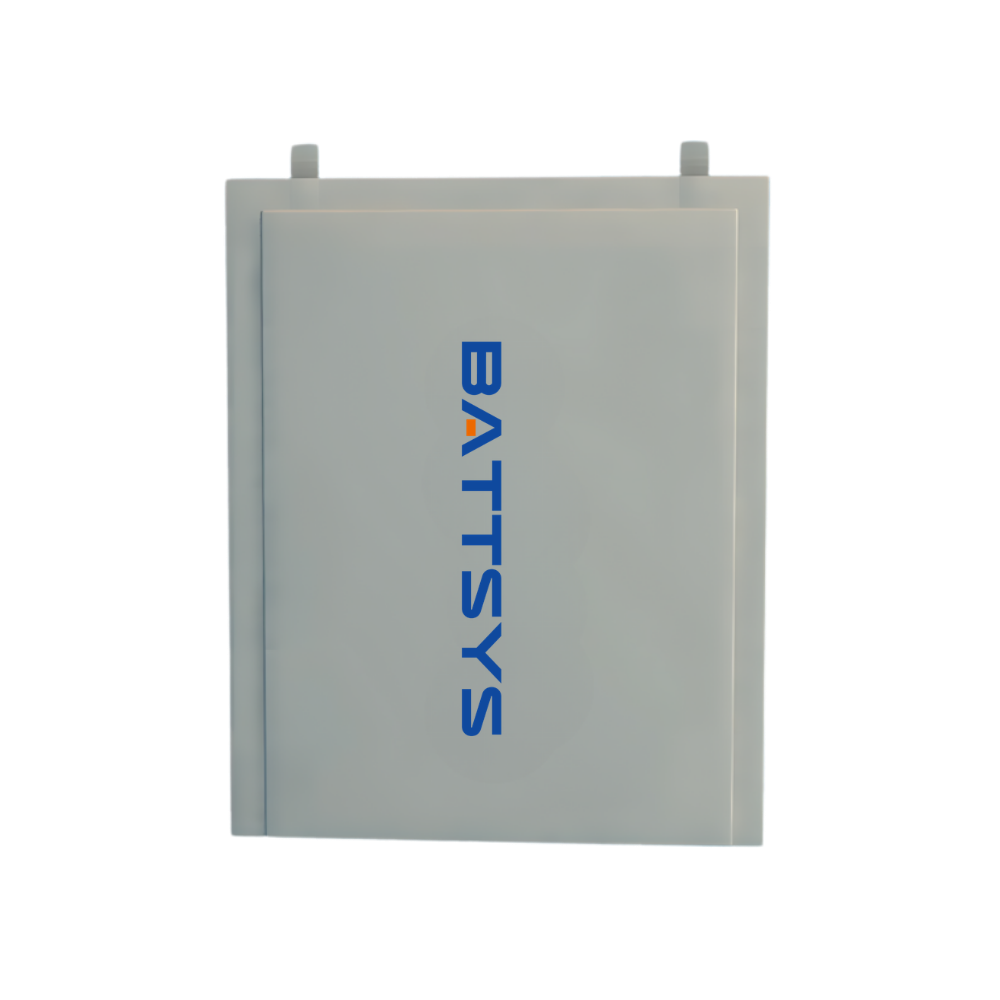
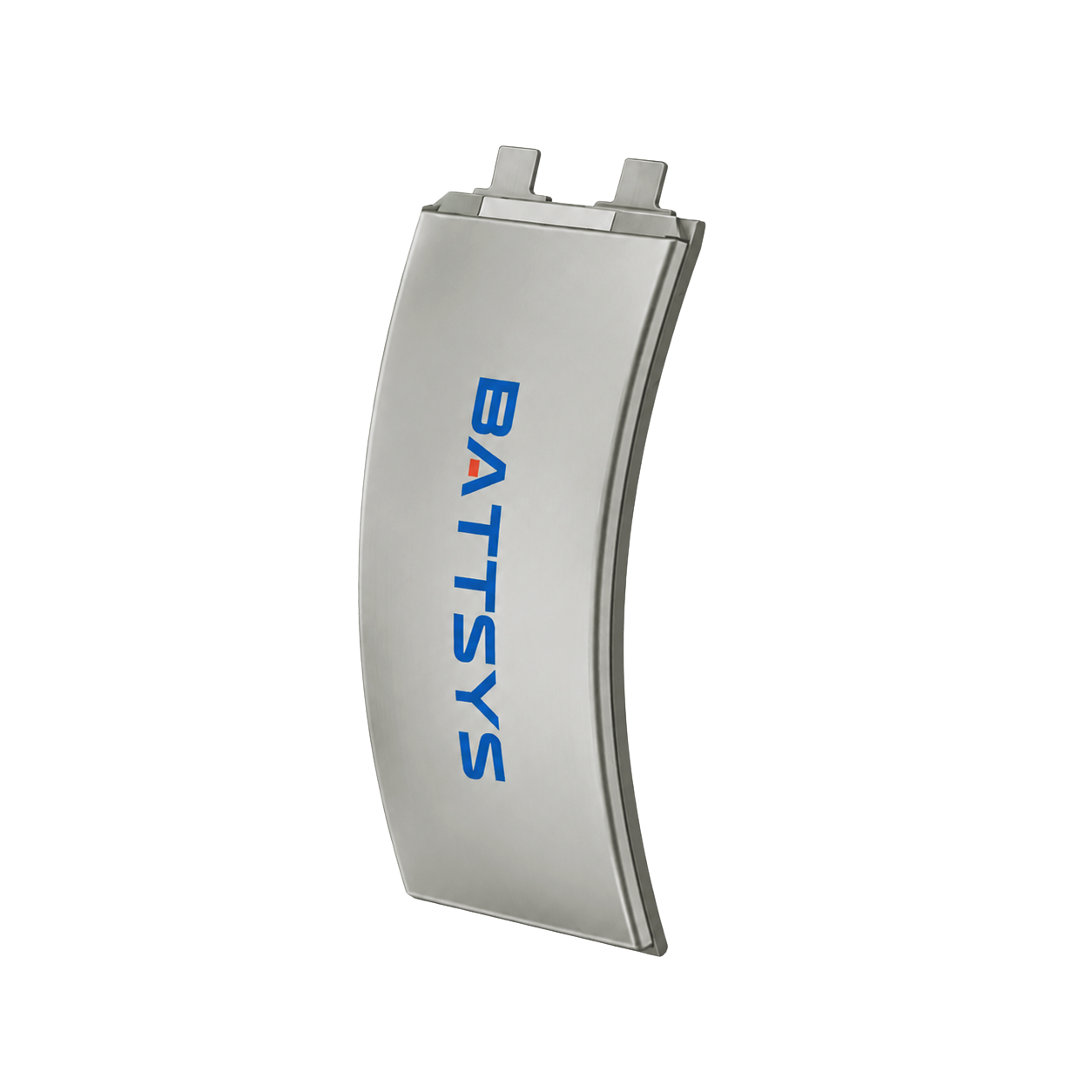
This polymer uses solid electrolyte instead of liquid electrolyte. Compared with liquid lithium-ion batteries, polymer lithium-ion batteries have the advantages of slimness, any area, and any shape. Therefore, aluminum-plastic composite film can be used to manufacture battery boxes. Therefore, it can improve the overall specific capacity of the battery. Polymer lithium-ion batteries can also use polymers as target materials, and compared to current liquid lithium-ion batteries, the mass to energy ratio will increase by more than 20%. Polymer Lithium Ion Battery has the characteristics of miniaturization, thinning, and lightweight. Therefore, the market share of polymer batteries will gradually increase.
Polymer lithium-ion batteries have the following characteristics:
① Shape defects; ② Higher quality specific energy (3 times that of MH Ni batteries); ③ Electrochemical stability window width; ④ Perfect safety and reliability; ⑤ Short cycle life and minimal capacity loss
The principle of lithium polymer batteries
There are currently two types of ion batteries: liquid lithium-ion batteries (LIB) and polymer lithium-ion batteries (PLB). Among them, liquid lithium-ion batteries refer to secondary batteries with Li+embedded compounds as positive and negative. Use lithium-ion batteries LiCoO2, LiNiO2 or LiMn2O4, and use lithium carbon intermediate layer compound LixC6 for the negative electrode. A typical battery system is:
(-) C | LiPF6-EC+DEC | Lithium carbonate (+)
Positive electrode reaction (reduction reaction): Li1-xCoO2+xLi++xe -=LiCoO2---------- (2.1)
Monthly reaction (oxidation reaction): LixC6 xe -=6C+xLi+--------- (2.2)
Total battery reaction: Li1-xCoO2+LixC6=LiCoO2+6C --------- (2.3)
The principle of polymer lithium-ion batteries is the same as that of liquid lithium, with the main difference being that carboxylic acids are different from liquid lithium. The main structure of a battery includes three elements: phase change, continuity, and electrolyte. The so-called polymer lithium-ion battery refers to at least one or more of the three main structures using polymer materials as the primary battery system. In the existing polymer lithium-ion battery systems under development, the main focus is on replacing and absorbing polymer materials. The conductive polymers or inorganic compounds used in conventional lithium-ion batteries, electrolytes can use solid or colloidal polymers or organic polymers, and conventional lithium-ion technology uses liquid or colloidal mixtures, therefore requiring solid secondary packaging to contain flammable active ingredients, thereby increasing weight, in addition to limiting the size of the scale.