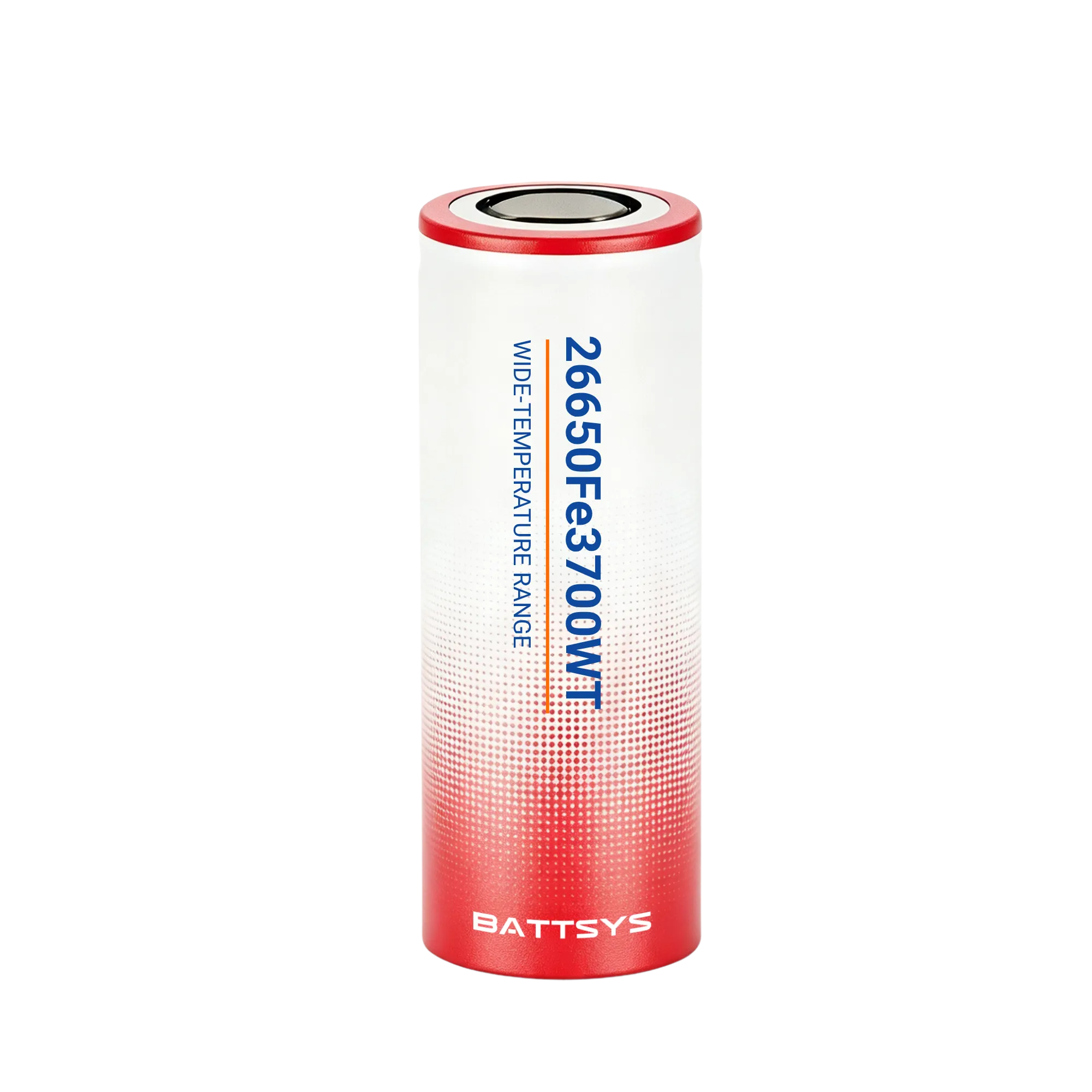
What is lithium iron phosphate battery? LiFePO4
Lithium iron phosphate is an electrode material for lithium-ion batteries, with the chemical formula LiFePO4, mainly used in various lithium-ion batteries. Since NTT in Japan first revealed the olivine structure of AyMPO4 (A is an alkali metal, M is a combination of CoFe: LiFeCoPO4) as a positive electrode material for lithium batteries in 1996, a research group led by John B. Goodenough from Texas State University in the United States also reported the reversible migration and extraction of lithium from LiFePO4 in 1997.

The simultaneous publication of olivine structure (LiMPO4) by the United States and Japan has attracted great attention to this material, leading to extensive research and rapid development. Compared with traditional lithium-ion secondary battery cathode materials, spinel structured LiMn2O4 and layered structured LiCoO2, LiMPO4 has a wider range of raw material sources, lower prices, and no environmental pollution.
Synthetic method
solid-phase synthesis method
1.1 High temperature solid-phase reaction method: The most commonly used and mature synthesis method at present The nitrogen protected pusher furnace, mesh belt furnace, and rotary furnace are used for sintering.
1.2 Carbon thermal reduction method (CTR): The synthesis method is simple, easy to operate, and the raw material price is low Suitable for large-scale production
1.3 Microwave synthesis method: Short synthesis time, low energy consumption, suitable for laboratory research
1.4 Mechanical alloying method
Liquid-phase synthesis method
2.1 Liquid phase co precipitation method
2.2 Sol gel method
2.3 Hydrothermal synthesis method
Other synthesis methods
Spark plasma sintering, spray pyrolysis and pulsed laser deposition are also used for the synthesis of lithium iron phosphate
Functional purpose
The main application areas of lithium iron phosphate are:
⑴ Energy storage equipment
Energy storage devices for solar and wind power generation systems, uninterruptible power supply (UPS) systems, used in conjunction with solar cells as energy storage devices (BYD is already producing such batteries);
⑵ Electric tools
High power electric tools (wireless), drills, lawnmowers, etc;
⑶ Light electric vehicles
Electric scooters, electric bicycles, recreational vehicles, golf carts, electric hoists, cleaning vehicles, hybrid electric vehicles (HEVs), with goals for the next 2-3 years;
⑷ Small equipment
Medical equipment: (electric wheelchairs, electric scooters), toys (remote-controlled electric airplanes, cars, boats);
Other small electrical appliances
Mining lamps, implantable medical devices (lithium iron phosphate is non-toxic, and only iron lithium batteries can meet the requirements), are used to replace lead-acid, nickel hydrogen, nickel cadmium, lithium cobalt, and lithium manganese batteries in small electrical appliances.
performance
high energy density
Its theoretical specific capacity is 170 mAh/g, and the actual specific capacity of the product can exceed 140 mAh/g (0.2 ° C, 25 ° C);
safety
It is the safest positive electrode material for lithium-ion batteries; Does not contain any harmful heavy metal elements to the human body;
long lifespan
Under 100% DOD conditions, it can be charged and discharged more than 2000 times; (Reason: Lithium iron phosphate has good lattice stability, and the insertion and extraction of lithium ions have little effect on the lattice, so it has good reversibility. The disadvantage is the poor ion conductivity of the electrode, which is not suitable for high current charging and discharging, and is hindered in application. Solution: Coating the electrode surface with conductive materials and doping for electrode modification.)
The service life of lithium iron phosphate batteries is closely related to their operating temperature. If the operating temperature is too low or too high, it can cause significant adverse hazards during the charging, discharging, and usage processes. Especially used in electric vehicles in northern China, in autumn and winter, lithium iron phosphate batteries cannot supply power normally or the power supply is too low, so it is necessary to adjust the working environment temperature to maintain their performance. In order to solve the problem of space limitation in the constant temperature working environment of lithium iron phosphate battery in China, the common solution is to use aerogel felt as the insulation layer.
Charging performance
Lithium batteries with lithium iron phosphate cathode materials can be charged at high rates and can be fully charged in as little as 1 hour.
Specific physical parameters:
Loose density: 0.7g/cm ³
Compaction density: 1.2g/cm ³
Median diameter: 2-6um
Specific surface area: less than 30m ^ 2/g
Smear parameters:
LiFePo4:C:PVDF=90:3:7
Compaction density of polarizer: 2.1-2.4g/cm ³
Electrochemical performance:
Gram capacity: greater than 155mAh/g Test conditions: half cell, 0.2C, voltage 4.0-2.0V
Cycle times: 2000 times
Domestic and international manufacturers of lithium iron phosphate materials:
Domestic: Yantai Zhuoneng, Tianjin Beirui, Tianjin Bamo, Tianjin Stellan, Hangzhou Jinma Energy, Yunnan Huilong, Peking University, Hunan Ruixiang, Tiehu Energy, Taiwan Changlong, Taiwan Likai, Zhengzhou Langtai, Hangzhou Sains, Jiangxi Jinli Technology, Shenzhen Beirui, etc
International: Phostech from Canada, Valence from the United States, A123 from the United States, Sony from Japan. Among them, A123 is the largest and has received strong support from the US government, but it has now gone bankrupt.
novelty
Lithium iron phosphate is a new type of electrode material for lithium-ion batteries. Its characteristics are large discharge capacity, low price, non toxicity, and no environmental pollution. Countries around the world are competing to achieve industrialized production.
But its energy density is low, which affects the capacitance.
The main production method is high-temperature solid-phase synthesis, and the product indicators are relatively stable.
The performance of lithium-ion batteries mainly depends on the positive and negative electrode materials. Lithium iron phosphate as the positive electrode material for lithium-ion batteries did not appear until after 2000, and the development of high-capacity lithium iron phosphate batteries in China began in July 2005. Its safety performance and cycle life are incomparable to other materials, which are also the most important technical indicators of power batteries. The cycle life of 1C charging and discharging reaches 2000 times. A single battery with an overcharge voltage of 30V does not burn or explode when punctured. Lithium iron phosphate cathode material makes it easier to use in series for high-capacity lithium-ion batteries. To meet the frequent charging and discharging needs of electric vehicles. It has the advantages of non-toxic, pollution-free, good safety performance, wide source of raw materials, low price, and long service life, making it an ideal positive electrode material for the new generation of lithium-ion batteries.
This project belongs to the development of functional energy materials and is a key area supported by the national "863" plan, "973" plan, and the "Eleventh Five Year Plan" for the development of high-tech industries.
Lithium ion batteries are still mainly small capacity and low-power batteries. Large capacity and medium high power lithium-ion batteries are still being tested for large-scale production, which has gradually led to their widespread application in medium and large capacity UPS, medium and large energy storage batteries, power tools, and electric vehicles.
Important parts
The most extensively studied positive electrode materials to date are LiCoO2, LiNiO2, LiMn2O4, and their derivatives, such as LiNi0.8Co0.2O2, LiNi1/3Co1/3Mn1/3O2, etc.
LiCoO2 is a widely commercialized positive electrode material, with over 90% of commercial lithium-ion batteries using LiCoO2 as the positive electrode material. The research on LiCoO2 is relatively mature and has excellent comprehensive performance, but it is expensive, has low capacity, and has certain safety issues.
LiNiO2 has a low cost and high capacity, but it is difficult to prepare and has poor consistency and reproducibility of material properties, posing serious safety issues. LiNi0.8Co0.2O2 can be regarded as a solid solution of LiNiO2 and LiCoO2, which combines the advantages of LiNiO2 and LiCoO2. It was once considered the most likely new positive electrode material to replace LiCoO2, but there are still disadvantages such as harsh synthesis conditions (requiring oxygen atmosphere) and poor safety, and the comprehensive performance needs to be improved; Meanwhile, due to the high content of expensive Co, the cost is also relatively high.
Spinel LiMn2O4 has low cost and good safety, but its cycling performance, especially at high temperatures, is poor. It has a certain solubility in electrolytes and poor storage performance.
The new ternary composite oxide lithium nickel cobalt manganese oxide (LiNi1/3Co1/3Mn1/3O2) material combines the advantages of LiCoO2, LiNiO2, LiMn2O4 and other materials: cost comparable to LiNi0.8Co0.2O2, large reversible capacity, stable structure, good safety, between LiNi0.8Co0.2O2 and LiMn2O4, good cycling performance, and easy synthesis; However, due to the high content of expensive Co, the cost is also relatively high. For lithium-ion batteries with medium to large capacity and high power, the cost, high temperature performance, and safety of positive electrode materials are crucial.
The above-mentioned LiCoO2, LiNiO2, LiMn2O4 and their derivative positive electrode materials are not yet able to meet the requirements. Therefore, the research and development of new positive electrode materials that can be used for medium to large capacity and medium to high power lithium-ion batteries has become a current hot topic.
The LiFePO4 positive electrode material with orthogonal olivine structure has gradually become a new research hotspot both domestically and internationally. Preliminary studies have shown that this new type of positive electrode material combines the respective advantages of LiCoO2, LiNiO2, LiMn2O4 and their derivative positive electrode materials: it does not contain precious elements, the raw materials are cheap, and the resources are extremely abundant; Moderate working voltage (3.4V); Good platform characteristics, extremely stable voltage (comparable to a regulated power supply); Theoretical capacity is large (170mAh/g); Stable structure and excellent safety performance (O and P are firmly bonded by strong covalent bonds, making it difficult for the material to undergo oxygen evolution and decomposition); High temperature performance and thermal stability are significantly better than other known positive electrode materials; Good cycling performance; The volume decreases during charging, and the volume effect is good when combined with carbon negative electrode materials; Good compatibility with most electrolyte systems and good storage performance; Non toxic, truly green material.
Compared with LiCoO2, LiNiO2, LiMn2O4 and their derivative cathode materials, LiFePO4 cathode material has outstanding advantages in cost, high temperature performance, and safety, and is expected to become the preferred cathode material for medium to large capacity and medium to high power lithium-ion batteries.
The industrialization and widespread application of this material are of great significance in reducing the cost of lithium-ion batteries, improving battery safety, expanding the lithium-ion battery industry, promoting the large-scale and high-power development of lithium-ion batteries, and making the application of lithium-ion batteries in medium and large capacity UPS, medium and large energy storage batteries, electric tools, and electric vehicles a reality.
shortcoming
However, the low packing density of lithium iron phosphate has been overlooked and avoided by people, and has not been solved, which hinders the practical application of the material. The theoretical density of lithium cobalt oxide is 5.1g/cm ³, while the actual density of commercial lithium cobalt oxide is generally 2.0-2.4g/cm ³; The theoretical density of lithium iron phosphate is only 3.6g/cm ³, which is much lower than that of lithium cobalt oxide.
To improve conductivity, conductive carbon materials are added, which significantly reduces the bulk density of the material, resulting in a tap density of only 1.0-1.2g/cm3 for carbon doped lithium iron phosphate. Such a low packing density makes the volumetric capacity of lithium iron phosphate much lower than that of lithium cobalt oxide, and the resulting battery will have a very large volume, which not only has no advantage but is also difficult to apply in practice.
Therefore, improving the packing density and volumetric capacity of lithium iron phosphate is of decisive significance for its practical application. The particle morphology, particle size, and distribution of powder materials directly affect the bulk density of the material.
For example, Ni (OH) 2 is a positive electrode material used in nickel hydrogen batteries and nickel cadmium batteries. Previously, people used sheet-like Ni (OH) 2 with a tap density of only 1.5-1.6g/cm ³; The tap density of spherical Ni (OH) 2 used can reach 2.2-2.3 g/cm3; Spherical Ni (OH) 2 has basically replaced sheet-like Ni (OH) 2, significantly improving the energy density of nickel hydrogen batteries and nickel cadmium batteries.
Our laboratory has successfully developed a series of high-density spherical positive electrode materials for lithium-ion batteries, including LiCoO2, LiMn2O4 LiNi0.8Co0.2O2, LiNi1/3Co1/3Mn1/3O2, based on the research results of high-density spherical Ni (OH) 2.
The true density of LiCoO2 and LiNi0.8Co0.2O2 can reach 2.9g/cm ³, which is much higher than that of similar commercial materials. Research and practical applications have shown that spherical products not only have outstanding advantages such as high packing density and large volumetric capacity, but also have excellent flowability, dispersibility, and processability, which are very conducive to the production of positive electrode material slurry and electrode sheet coating, and improve the quality of electrode sheets; In addition, compared to irregular particles, regular spherical particles are easier to coat with a complete, uniform, and firm modification layer on their surface. Therefore, spherical products are more likely to improve their overall performance through surface modification.
On this basis, we propose that spheroidization is the development direction of positive electrode materials for lithium-ion batteries. The LiFePO4 positive electrode materials reported both domestically and internationally are composed of irregular particles, and the bulk density and energy density of powder materials are relatively low. Therefore, this project is dedicated to the spheroidization of LiFePO4 material particles, aiming to improve the bulk density and volumetric capacity of the material through particle spheroidization; On this basis, the advantage of easy surface coating of spherical materials is utilized to further improve the comprehensive performance of the material through surface modification of spherical particles; In the process of spheroidizing and surface modification of LiFePO4 material particles, we fully draw on, absorb, and utilize the excellent achievements that have been made in improving the conductivity of lithium iron phosphate; Finally, a spherical, high packing density, high volumetric capacity, and high conductivity LiFePO4 cathode material was prepared, which can be applied to medium to large capacity and medium to high power lithium-ion batteries, promoting the industrialization of this material.
Our research laboratory uses divalent or trivalent iron salts, phosphoric acid or phosphate, and ammonia water as raw materials to synthesize high-density spherical iron phosphate precursors through controlled crystallization technology. These precursors are then mixed with lithium and carbon sources for heat treatment, and carbon doped high-density spherical lithium iron phosphate is synthesized through carbon thermal reduction method. The lithium iron phosphate powder material is composed of monodisperse spherical particles with a particle size of 5-10 μ m, a high packing density (tap density can reach 1.6-1.8g/cm ³), good flowability, good processability, and a reversible capacity of 140mAh/g.