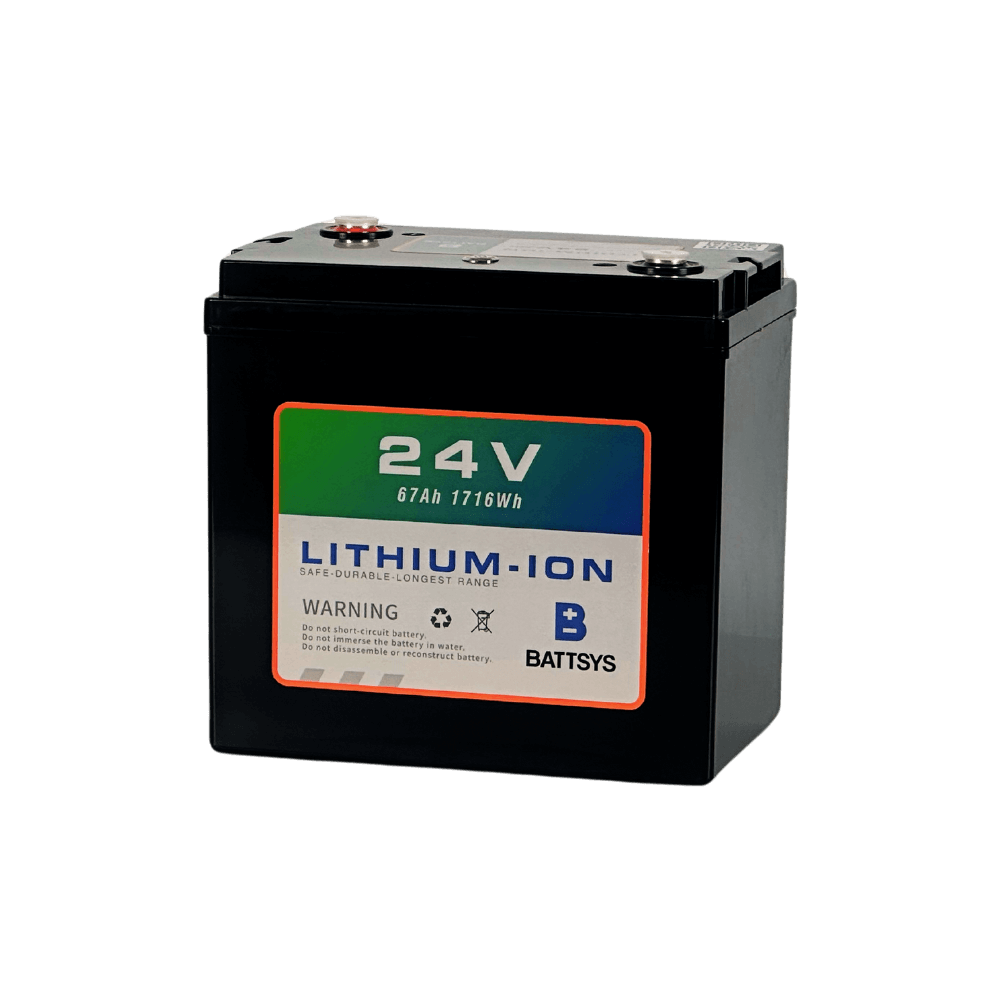
18650 lithium battery.
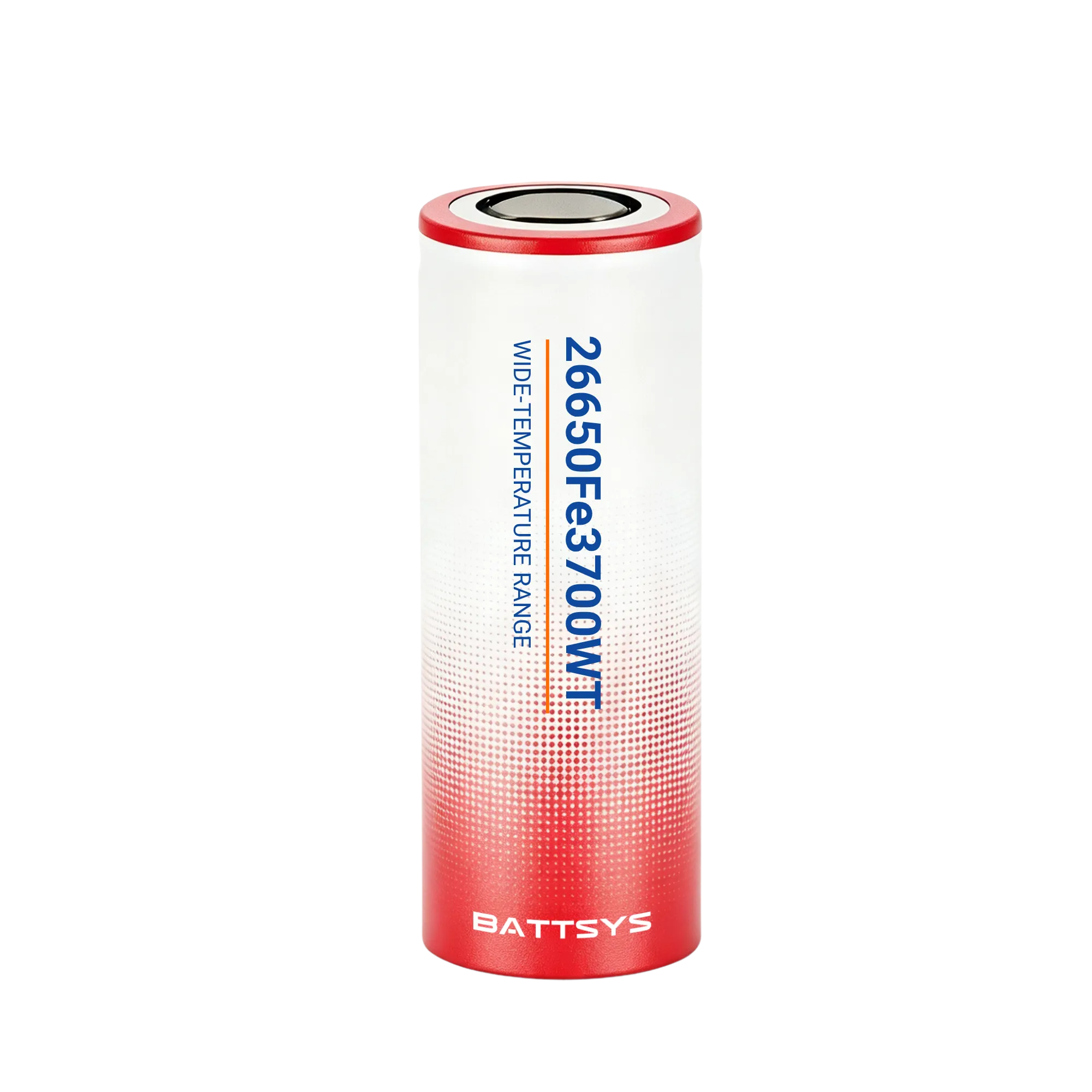
18650 is a standard lithium-ion battery model established by Japan's SONY company, the pioneer of lithium-ion batteries, in order to save costs. Among them, 18 represents a diameter of 18mm, 65 represents a length of 65mm, and 0 represents a cylindrical battery.

The common 18650 batteries are divided into lithium-ion batteries and lithium iron phosphate batteries. Lithium ion batteries have a nominal voltage of 3.7V and a charging cut-off voltage of 4.2V. Lithium iron phosphate batteries have a nominal voltage of 3.2V and a charging cut-off voltage of 3.6V, with a capacity typically ranging from 1200mAh to 3350mAh.
Lithium ion battery (Li ion, Lithium Ion Battery): Lithium ion batteries have the advantages of light weight, large capacity, and no memory effect, so they have been widely used - many digital devices use lithium-ion batteries as power sources, although their prices are relatively expensive. Lithium ion batteries have a high energy density, with a capacity 1.5 to 2 times that of nickel hydrogen batteries of the same weight, and have a very low self discharge rate. In addition, the advantages of lithium-ion batteries such as almost no "memory effect" and no toxic substances are also important reasons for their widespread application. Additionally, please note that the exterior of lithium batteries is generally labeled with English 4.2V lithium battery or 4.2V lithium secondary battery, 4.2V lithium rechargeable battery. Therefore, when purchasing batteries, users must carefully read the markings on the exterior of the battery block to prevent mistaking cadmium nickel and hydrogen nickel batteries for lithium batteries due to unclear battery types.
The standard voltage for lithium batteries is either 3.7V or 4.2V, which is the same. It's just that the manufacturer's labeling is different. 3.7V refers to the platform voltage (i.e. typical voltage) at which the battery is discharged during use, while 4.2V refers to the voltage when fully charged. The common rechargeable 18650 lithium batteries have a standard voltage of 3.6 or 3.7V, and when fully charged, it is 4.2V, which is not related to the battery capacity. The mainstream capacity of 18650 batteries ranges from 1800mAh to 2600mAh (18650 power batteries have a capacity mostly between 2200 and 2600mAh), and mainstream capacities even have a standard of 3500 or 4000mAh or above (reminding everyone that domestically produced batteries with a nominal capacity of 3350mAh or above on the market may be fake, and the maximum capacity currently produced in China is 3350mAh). ).
It is generally believed that when the no-load voltage of a lithium battery is below 3.0V, it is considered to be fully charged (the specific value depends on the threshold value of the battery protection board, such as as as as low as 2.8V or 3.2V). Most lithium batteries cannot be discharged with a no-load voltage below 3.2V, otherwise excessive discharge will damage the battery (generally, lithium batteries on the market are mostly used with protective plates, so excessive discharge can also cause the protective plate to not detect the battery, making it impossible to charge the battery). 4.2V is the maximum limit voltage for battery charging. It is generally believed that charging a lithium battery to 4.2V at no load voltage means it is fully charged. During the battery charging process, the voltage gradually increases from 3.7V to 4.2V. Lithium batteries cannot be charged above 4.2V at no load voltage, otherwise it will also damage the battery. This is the special feature of lithium batteries.
purpose
The 18650 battery life theory is based on 1000 cycles of charging. Due to its large capacity per unit density, 18650 is mostly used for laptop batteries. In addition, 18650 has excellent stability performance in operation and is widely used in various electronic fields, such as high-end high-power flashlights, portable power supplies, wireless data transmitters, electric thermal insulation clothes, shoes, portable instruments and meters, portable lighting equipment, portable printers, industrial instruments, medical instruments, etc.
18650 means a diameter of 18 millimeters and a length of 65 millimeters. The model of battery No. 5 is 14500, with a diameter of 14 millimeters and a length of 50 millimeters. Generally, 18650 batteries are more commonly used in industry and less commonly used in civilian applications. They are commonly used in laptop batteries and high-end flashlights.
18650 is only the size and model of the battery. According to the type of battery, it can be divided into 18650 for lithium-ion, 18650 for lithium iron phosphate, 18650 for nickel hydrogen (rare), and the common 18650 is lithium-ion.
Charging and discharging principle
The working principle of lithium-ion batteries refers to their charging and discharging principles. When charging the battery, lithium ions are generated on the positive electrode of the battery, and the generated lithium ions move through the electrolyte to the negative electrode. As the negative electrode, carbon has a layered structure with many micropores. Lithium ions that reach the negative electrode are embedded into the micropores of the carbon layer. The more lithium ions embedded, the higher the charging capacity.
Similarly, when discharging the battery (i.e. the process of using the battery), the lithium ions embedded in the negative carbon layer are released and move back to the positive electrode. The more lithium ions return to the positive electrode, the higher the discharge capacity. The battery capacity we usually refer to is the discharge capacity.
It is not difficult to see that during the charging and discharging process of lithium-ion batteries, lithium ions move from the positive electrode to the negative electrode and then to the positive electrode. If we metaphorically compare lithium-ion batteries to a rocking chair, where the two ends of the rocking chair are the two poles of the battery, and lithium-ion batteries are like excellent athletes running back and forth between the two ends of the rocking chair. So, experts have given lithium-ion batteries a cute name - rocking chair batteries.
charge-discharge process
The charging control of lithium batteries is divided into two stages. The first stage is constant current charging. When the battery voltage is below 4.2V, the charger will charge with a constant current. The second stage is the constant voltage charging stage. When the battery voltage reaches 4.2V, due to the characteristics of lithium batteries, if the voltage is too high, it will be damaged. The charger will fix the voltage at 4.2V, and the charging current will gradually decrease. When the current decreases to a certain value (usually 1/10 of the set current), the charging circuit will be cut off, and the charging completion indicator light will light up, indicating that the charging is complete.
Excessive charging and discharging of lithium-ion batteries can cause permanent damage to the positive and negative electrodes. Excessive discharge leads to the collapse of the negative carbon layer structure, which can result in the inability of lithium ions to insert during the charging process; Overcharging causes excessive lithium ions to embed into the negative carbon structure, resulting in some of the lithium ions no longer being able to be released.
Some chargers are implemented using inexpensive solutions, but their control accuracy is not good enough, which can easily cause abnormal battery charging and even damage the battery. When choosing a charger, try to choose a large brand 18650 lithium-ion battery charger, which guarantees quality and after-sales service, and extends the service life of the battery. The 18650 lithium-ion battery charger with brand guarantee has four layers of protection: short circuit protection, overcurrent protection, overvoltage protection, battery reverse connection protection, etc. Overcharge protection: When the charger overcharges the lithium-ion battery, in order to prevent an increase in internal pressure caused by temperature rise, the charging state needs to be terminated. For this purpose, the protective device needs to monitor the battery voltage. When it reaches the overcharge voltage of the battery, it activates the overcharge protection function and stops charging. Over discharge protection: In order to prevent the over discharge state of lithium-ion batteries, when the voltage of the lithium-ion battery is lower than its over discharge voltage detection point, the over discharge protection is activated, the discharge is stopped, and the battery is kept in low static current standby mode. Overcurrent and short circuit protection: When the discharge current of lithium-ion batteries is too high or a short circuit occurs, the protection device will activate the overcurrent protection function.
The nominal voltage for a single section is generally 3.6V or 3.7V
The charging voltage is generally 4.20V (4.2V-4.3V for lithium cobalt oxide)
The minimum discharge termination voltage is generally 2.75V, below which the battery capacity may seriously decrease or even be scrapped
Maximum charging termination voltage: 4.20V
Diameter: 18 ± 0.2mm
Height: 65 ± 2.0mm
Capacity: Over 1000mAh, with regular capacities ranging from 2200mAh to 3200mAh. Currently, LG has the highest 18650 battery capacity, which can reach 3600mAh, but the price is also not low.
advantage
1. The capacity of a high-capacity
18650 lithium battery is generally between 1200mAh and 3600mAh, while the capacity of a typical battery is only about 800mAh. If combined into an 18650 lithium battery pack, it can easily exceed 5000mAh.
2. The lifespan of 18650 lithium batteries is very long, with a cycle life of over 500 times during normal use, which is more than twice that of ordinary batteries.
3. High safety performance 18650 lithium battery has high safety performance, no explosion, no combustion; Non toxic, pollution-free, certified with RoHS trademark; All kinds of safety performance are achieved in one go, with more than 500 cycles; Good high temperature resistance, with a discharge efficiency of 100% at 65 degrees Celsius. To prevent battery short circuits, the positive and negative poles of 18650 lithium batteries are separated. So the possibility of it experiencing a short circuit has been reduced to the extreme. Protective plates can be installed to prevent overcharging and overdischarging of the battery, which can also extend its lifespan.
4. The voltage of 18650 lithium batteries is generally 3.6V, 3.8V, and 4.2V, which is much higher than the 1.2V voltage of nickel cadmium and nickel hydrogen batteries.
5. There is no memory effect and there is no need to empty the remaining battery before charging, making it easy to use.
6. Low internal resistance: The internal resistance of polymer battery cells is lower than that of general liquid battery cells, and the internal resistance of domestic polymer battery cells can even reach below 35m Ω, greatly reducing the self consumption of batteries and extending the standby time of mobile phones, which can fully reach the level of international standards. This polymer lithium battery that supports high discharge current is an ideal choice for remote control models and has become the most promising alternative to nickel hydrogen batteries.
7. Can be combined in series or parallel to form 18650 lithium battery pack
8. Widely applicable electronic devices such as laptops, walkie talkies, portable DVDs, instruments, audio equipment, model airplanes, toys, cameras, digital cameras, etc
Shortcoming
The biggest disadvantage of 18650 lithium batteries is that their volume is already fixed, making it difficult to locate them when installed in some laptops or products. Of course, this disadvantage can also be considered an advantage, as it is a disadvantage compared to other polymer lithium batteries that are customizable and variable in size. And compared to some products with specified battery specifications, it has become an advantage.
18650 lithium batteries are prone to short circuits or explosions, which is also relative to polymer lithium batteries. If compared to ordinary batteries, this disadvantage is not so obvious.
18650 lithium battery production requires protective circuits to prevent the battery from being overcharged and causing discharge. Of course, this is necessary for lithium batteries, which is also a common drawback of lithium batteries, because the materials used in lithium batteries are mostly lithium cobalt oxide materials, and lithium cobalt oxide materials in lithium batteries cannot discharge high currents and have poor safety.
The production conditions for 18650 lithium batteries require high standards. Compared to general battery production, 18650 lithium batteries require high production conditions, which undoubtedly increases production costs.