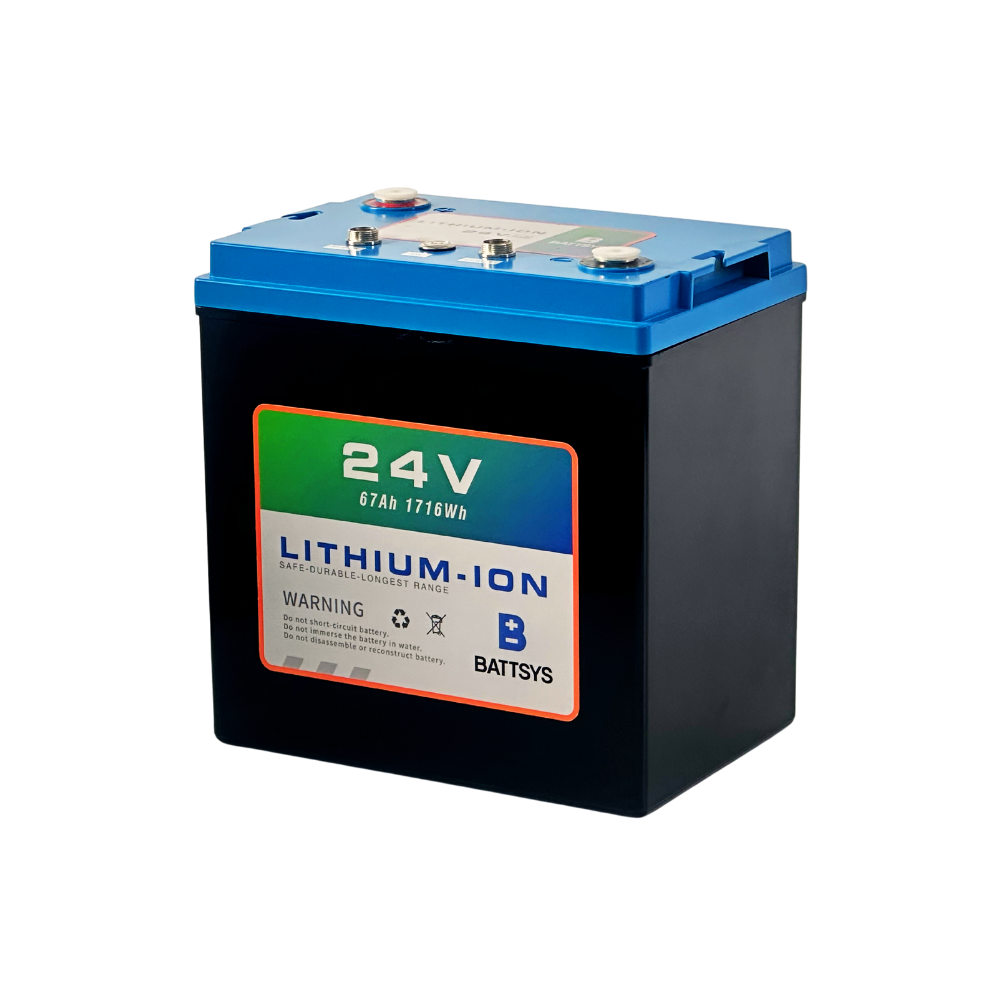
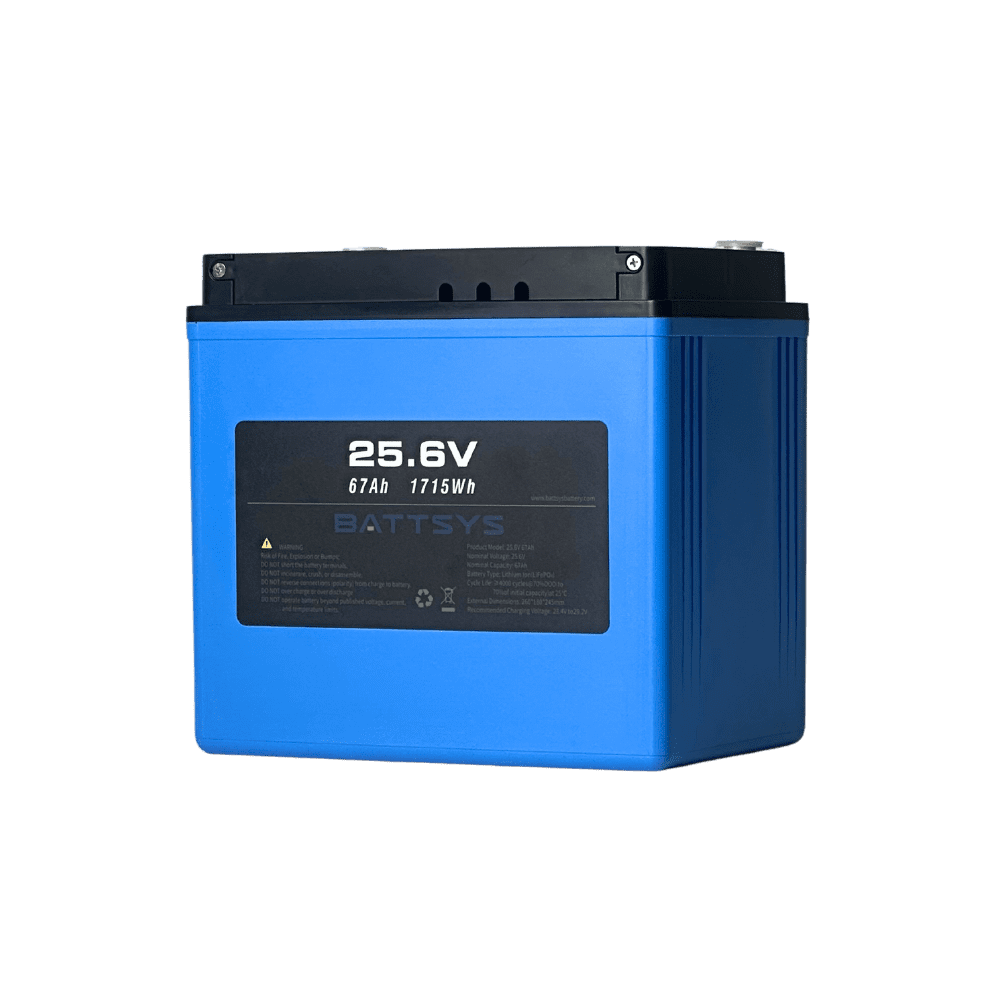
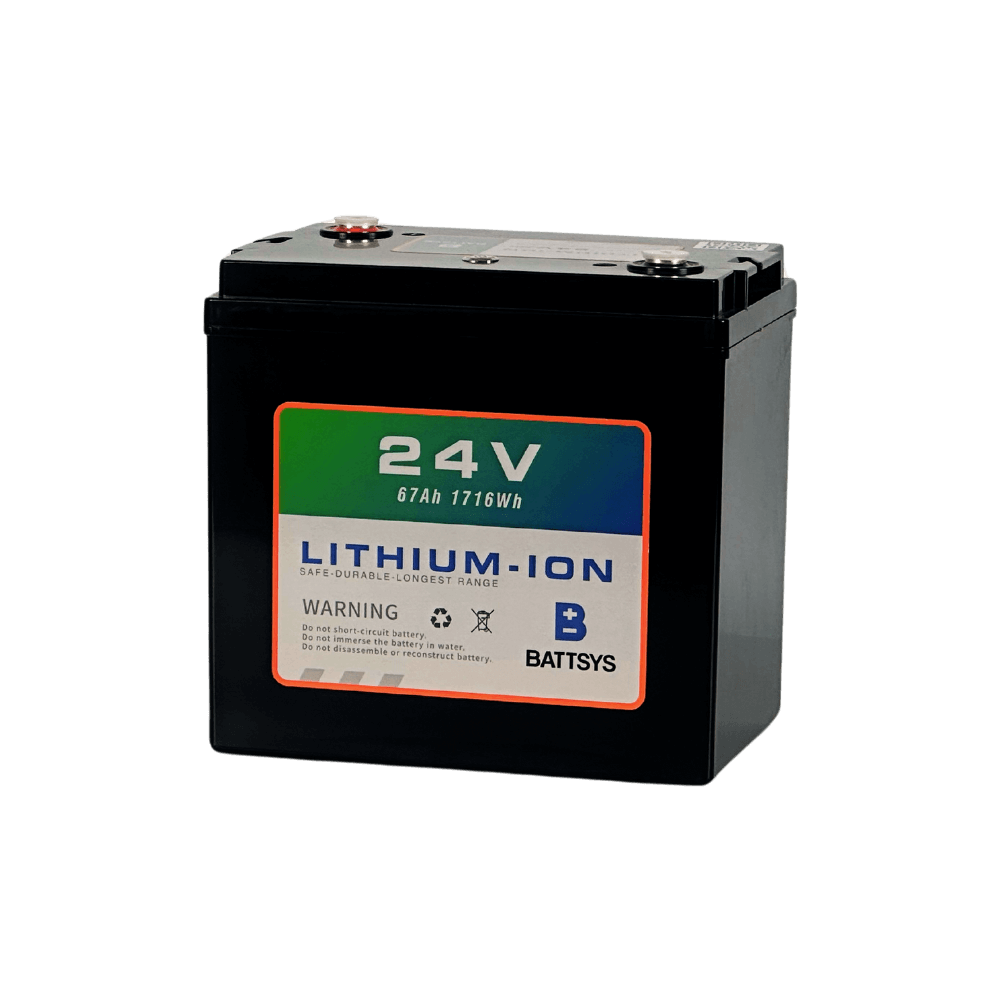
Nine major advantages of lithium batteries.
The nine major advantages of lithium batteries are as follows:
1. Lightweight, about 1/5-6 of the same volume of lead-acid products,

2. It has a high power carrying capacity, and the lithium iron phosphate lithium-ion battery used in electric vehicles can achieve a charge and discharge capacity of 15-30 ° C, which is convenient for high-intensity starting and acceleration;
3. Long service life, up to 6 years or more. A battery with lithium iron phosphate as the positive electrode can be used 10000 times when charged and discharged at 1C (100% DOD);
4. The additional voltage is high (with a single operating voltage of 3.7V or 3.2V), which is approximately equal to the series voltage of three nickel cadmium or nickel hydrogen batteries, making it easy to form a battery power pack;
5. The low self discharge rate is one of the most prominent advantages of batteries. Nowadays, it can generally be lower than 1% per month, less than 1/20 of nickel hydrogen batteries;
6. The energy is relatively high. High energy storage density, now reaching 460-600Wh, about 6-7 times that of lead-acid batteries;
7. Strong adaptability to high and low temperatures, can be used in an environment of -20 ℃ -60 ℃, and can be used in an environment of -45 ℃ after processing;
8.Production does not require water consumption, which is very beneficial for our water scarce country. Specific energy refers to the energy per unit component or volume. Specific energy is expressed in Wh or wh/l, where Wh is the unit of energy, w is watts, and h is hours; Kg is kilogram (unit of measurement), and l is liter (unit of volume).
9. Green and environmentally friendly, whether produced, used or discarded, it does not contain or produce any toxic or harmful heavy metal elements and substances such as lead, mercury, cadmium, etc.