Common types of fire situations Lithium batteries:
Sealed valve regulated lead-acid batteries (SVRLA) have the same appearance as lead-acid batteries used in emergency lighting and computer uninterruptible power supplies. Overcharging with a constant current charger can cause explosions and fires. In rare cases, car starter batteries also have the same problem. Specifically, it is the release of hydrogen gas, which can cause explosions in certain situations. Unless the charger has sufficient power, it is not easy to avoid long-term charging.

Nickel cadmium batteries are not used in the electric bicycle industry in the United States, but were used in Europe and Japan a few years ago. It is generally considered non flammable. But it is highly toxic, which is why this type of battery has not been used in Europe and Japan.
Nickel hydrogen batteries are also rare. Some new bicycles and many old bicycles have such batteries. Usually non flammable, but if short circuited, it will release hydrogen gas; If it is in a confined space, it will explode.
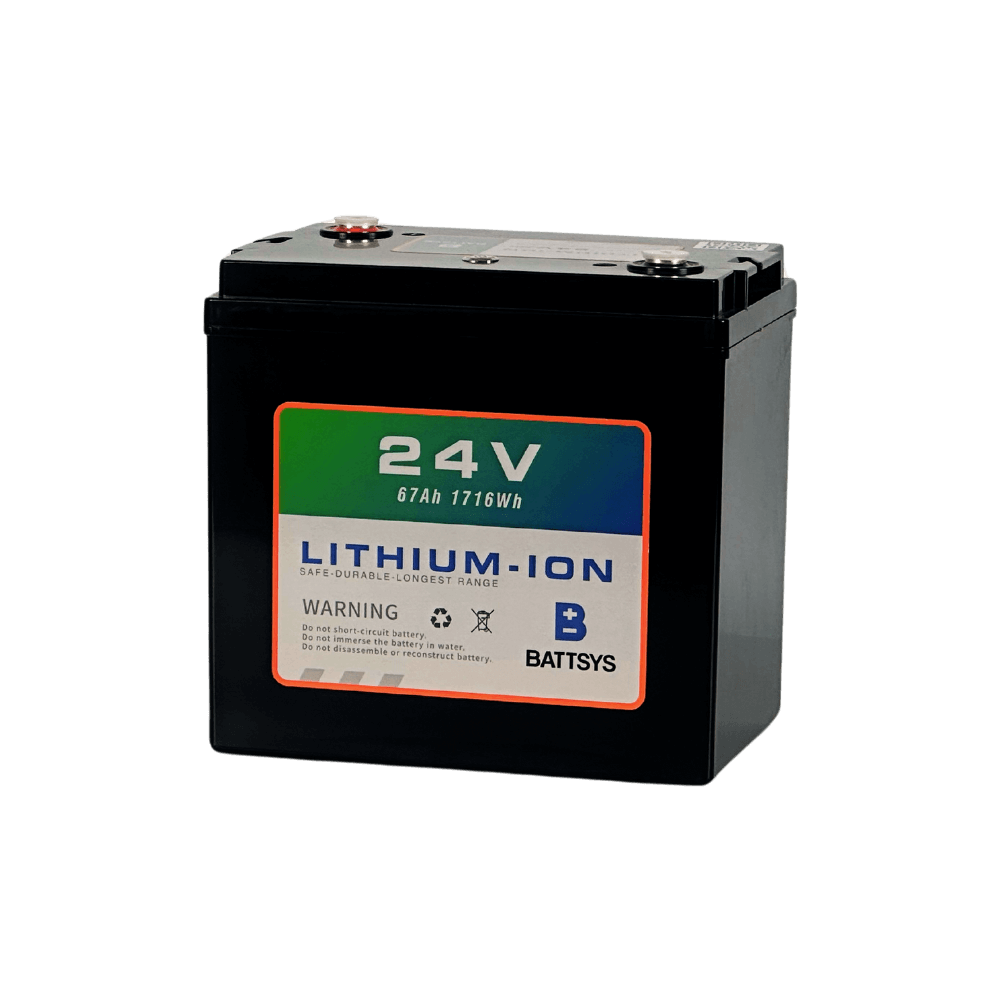
Lithium manganese oxide battery (LiNiMnC002) is a widely used battery. If assembled and managed properly, these batteries will not catch fire. But there is still a possibility of fire, especially when using cheap products or abusing products. The most common problem is using the wrong charger to charge for too long. These batteries are more compact and affordable than other batteries on the list. So it is the most popular battery for electric bicycles.
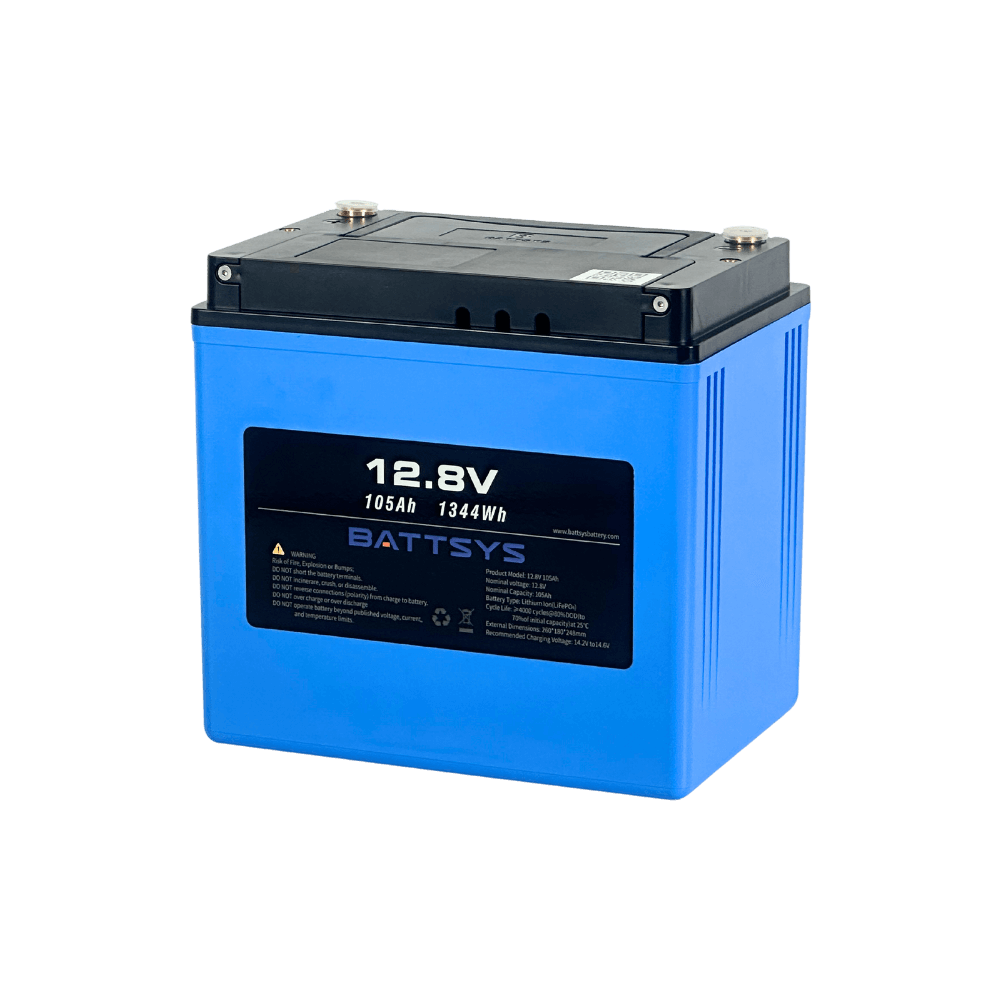
Lithium iron phosphate batteries (lifep04, also known as LFP and lipo) are generally considered the safest batteries among lithium batteries. These batteries are not easy to burn, and accidents rarely occur when they catch fire. This type of battery is heavier than lithium manganese oxide batteries, so its use on electric bicycles is limited.
Lithium cobalt batteries (LiC002) have not been used by any reputable companies for electric bicycles. This type of battery has the highest energy density and is typically used in mobile phones and other consumer electronics products. However, as a large-sized battery for electric bicycles, it is not stable enough. Some lithium manganese oxide batteries are described as nickel cobalt manganese oxide batteries, but not as lithium cobalt batteries, which is quite confusing.