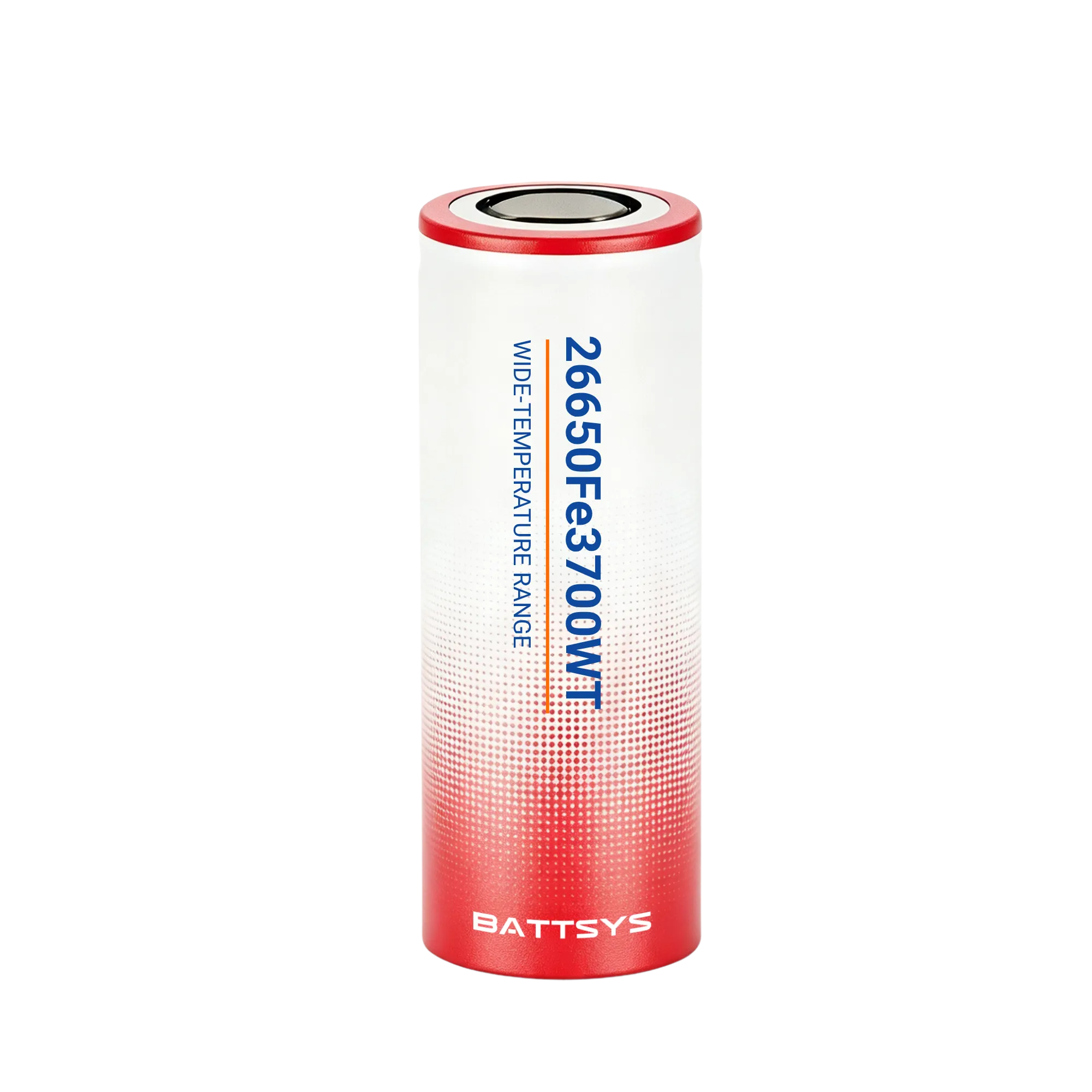
Can 18650 lithium battery charge?
It is common for 18650 lithium batteries to fail to charge, possibly due to low voltage, poor contact, and other reasons. Here are simple and easy to understand repair methods, follow along to try and solve the problem.
First, check if there are any issues with the battery
Check the appearance for bulges, leaks, or deformations. If these conditions are present, do not repair them. It is unsafe to replace the battery directly.

Cleaning contact: Is there an oxide layer on the electrode? Use an eraser or cotton swab dipped in anhydrous alcohol to wipe clean, and once in contact, it may be filled.
Is the battery voltage too low to charge? Activate in this way
Data cable modification: Find a waste data cable, cut it short and connect the red (positive) and black (negative) wires to the corresponding electrodes of the battery. Insert a 5V charger and charge for about 10 seconds until the voltage reaches 2.3V or above. Then, switch to a dedicated charger and continue charging.
Borrowing another battery for assistance: Connect it in series with a normal battery (to increase voltage) or in parallel (to balance voltage), and after the charger lights up the red light, remove it and charge it separately.
Is the protective board broken? Try another one
Testing: Use a multimeter to measure the output of the protection board. If the battery cell is charged but the protection board is not outputting, it means it is broken.
Replacement: Be careful to peel off the outer skin, weld off the old protective plate, and replace it with a new plate of the same specification. When welding, do not let the positive and negative poles touch each other.
Is the capacity decreasing and not fully charged? Try cyclic charging and discharging
Discharge first: Connect a 1.5V small light bulb or resistor and discharge the electricity to almost 0V.
Cyclic charging and discharging: After activation, perform 3-5 charging and discharging cycles, fully charging to 4.2V and discharging to 2.5V, which may awaken some capacity.
Safety must be taken into consideration
Wear insulated gloves and goggles, and do not touch the skin or eyes with electrolyte.
Use insulated tools to check the solder joints after welding, and do not short-circuit the positive and negative electrodes.
Keep it in a well ventilated area, away from sources of fire and flammable materials, to prevent battery overheating and explosion.
If it can't be repaired, throw it away in the hazardous garbage bin and don't use it anymore.
How to maintain it regularly?
Do not overcharge or over discharge: Do not charge beyond 4.2V and discharge below 2.5V, use a charger with protection.
Regular cycle: Perform a complete charge and discharge every 3 months to maintain battery activity.
Storage: Do not charge to 50% battery for a long time, store in a dry and cool place, and recharge every 2 months.