What is the voltage of 18650 battery in volts.
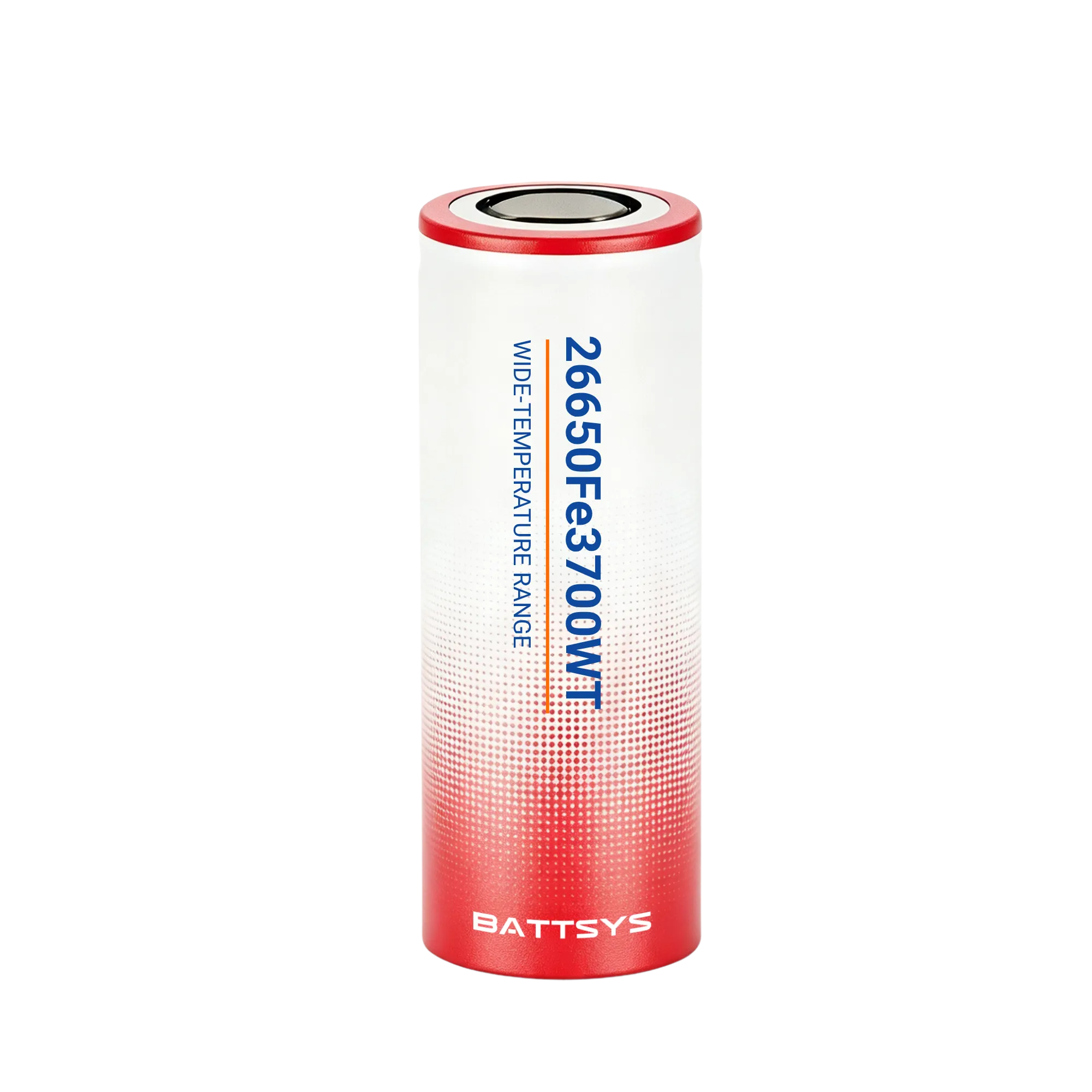
The standard voltage of 18650 batteries is usually 3.7 volts (nominal voltage), and the highest voltage when fully charged can reach 4.2 volts. The discharge termination voltage is generally between 2.75 volts and 3.0 volts. This cylindrical lithium-ion battery is named after its diameter of 18 millimeters and length of 65 millimeters ("0" represents cylindrical design), and is currently one of the most widely used battery models in fields such as consumer electronics, power tools, and new energy vehicles. The following will provide a detailed analysis from the aspects of technical principles, voltage characteristics, application scenarios, and usage precautions.
1、 Voltage characteristics and working principle of 18650 battery
The voltage characteristics of 18650 batteries are derived from their lithium-ion chemical system. The positive electrode material usually uses lithium cobalt oxide (LiCoO ₂), ternary materials (NCM/NCA), or lithium iron phosphate (LiFePO ₄), while the negative electrode is made of graphite or silicon-based materials. Lithium ions migrate between the positive and negative electrodes during the charging and discharging process, generating a potential difference.
-Nominal voltage 3.7V: refers to the typical operating voltage of the battery at 50% charge, which is used for lithium cobalt oxide and ternary material batteries.
-Charging cut-off voltage 4.2V: The voltage gradually increases during charging, and when it reaches 4.2V, charging should be stopped to avoid overvoltage damage. Some high-voltage models (such as LCO improved models) can reach 4.35V.
-Discharge cut-off voltage of 2.75V-3.0V: Excessive discharge can cause damage to the electrode structure, so the equipment is usually equipped with a protective circuit to force power off.
In special circumstances, the 18650 battery of lithium iron phosphate (LiFePO ₄) system has a nominal voltage of 3.2V and a charging cut-off voltage of 3.65V, which provides higher safety but lower energy density.

2、 The relationship between voltage and battery performance
1. Capacity and voltage curve:
The voltage of 18650 battery shows a non-linear decrease during discharge. Taking a 3.7V 2600mAh battery as an example, the initial discharge voltage is about 4.2V, which stabilizes at 3.6-3.8V in the middle and quickly drops to 3.0V in the end. A flat voltage platform is beneficial for the stable operation of the equipment.
2. Series and parallel applications:
-Electric tools commonly use 2-3 series connections (7.4V-11.1V), while laptop battery packs often use combinations such as 3 series and 2 parallel connections (11.1V 4400mAh).
-The battery pack of early Tesla models consisted of thousands of 18650 cells, which were controlled for voltage balance through a precision BMS (Battery Management System).
3. Temperature impact:
In low temperature environments (such as -20 ℃), an increase in battery internal resistance can cause a sudden drop in voltage, and the capacity may decay by more than 50%; High temperature (>45 ℃) accelerates aging, and long-term use requires heat dissipation design.
3、 Application scenarios and voltage adaptation cases
1. Consumer electronics:
-The laptop has a single cell voltage of 3.7V and a 6-cell battery pack with a nominal voltage of 11.1V (3 in series and 2 in parallel).
-The strong light flashlight can be directly used with a single 18650, and the driving circuit needs to be compatible with a wide voltage input of 3.0-4.2V.
2. New energy vehicles:
The early Nissan Leaf used 192 3.8V lithium manganese oxide batteries with a total voltage of 364V, while the Tesla Model S's 7104 18650 series connected platform voltage was about 400V.
3. Energy storage system:
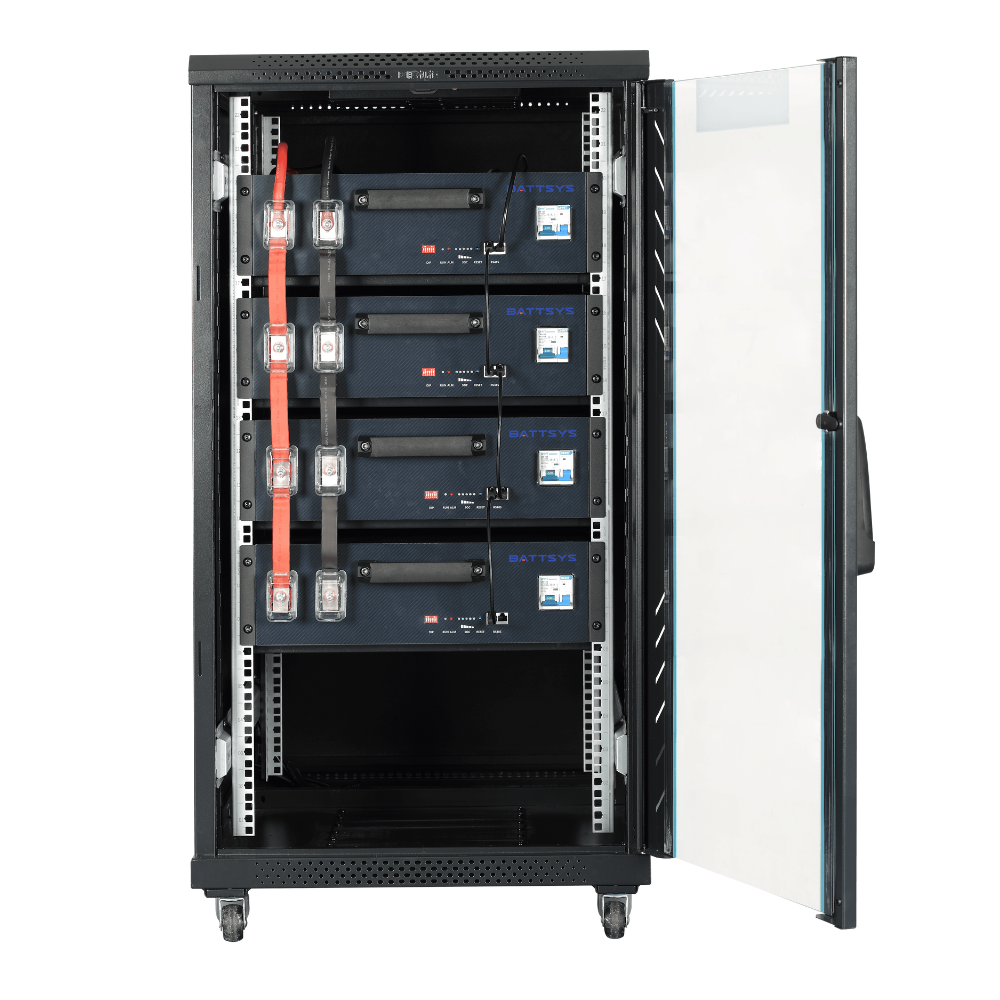
Photovoltaic energy storage battery packs usually have multiple 18650 parallel expansion units (such as a 48V 100Ah system that requires 13 series and 24 parallel units), combined with MPPT controllers to achieve voltage conversion.
4、 Voltage precautions for use and maintenance
1. Charging control:
A dedicated lithium battery charger must be used, with a constant current (CC) stage current generally ranging from 0.5C-1C (such as 1.3A-2.6A for 2600mAh batteries), and a constant voltage (CV) stage that automatically switches to trickle after the voltage reaches 4.2V.
2. Overdischarge protection:
If electronic cigarettes and other devices are not equipped with low voltage protection, continuous discharge below 2.5V may result in battery failure. It is recommended to use it with a battery box with overcharge/overdischarge protection circuit.
In summary, the voltage characteristics of 18650 batteries are one of their core performance indicators. Understanding the scientific principles and application logic behind their values can help to utilize this classic power solution more safely and efficiently. Both DIY enthusiasts and professional engineers should pay attention to the collaborative design of voltage parameters and supporting management systems.