What is the charging voltage of
18650 lithium battery? Key Values and Safe Charging Guidelines
A friend who works as an outdoor power supply recently complained to me roast: "When charging the 18650 lithium battery, he always worried about overvoltage. Why did he feel that the battery life was shortened even though he adjusted the voltage according to the instructions?" In fact, I have seen similar problems more than once in the 2025 Battery Maintenance Forum - many users have only a little knowledge of the charging voltage of the 18650 lithium battery. They either tried to save time by "hard charging" with a universal charger, or blindly pursued "fast charging" and ignored the safety boundary. Today, let's break down and talk about: What is the charging voltage of 18650 lithium batteries? What are the consequences of using it incorrectly?
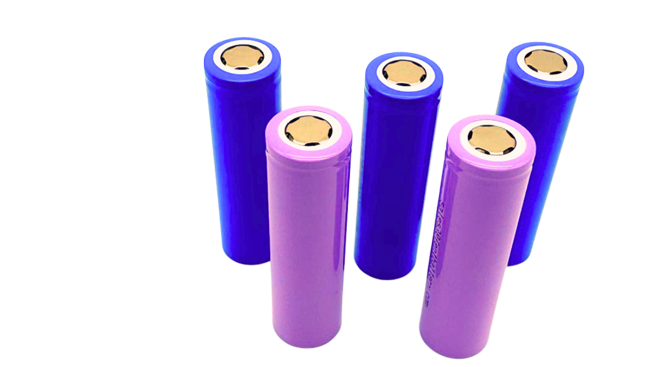
What is the charging voltage of
18650 lithium battery?
1、 Standard charging voltage
The standard charging voltage for the vast majority of conventional 18650 lithium batteries is 4.2 volts (V), with a permissible range of small fluctuations typically within ± 0.05V (i.e. 4.15V to 4.25V). This is the "full charge threshold" determined by the chemical material system inside the battery, mainly lithium cobalt oxide or ternary materials. Reaching this voltage value means that the battery power is approaching saturation.
1. Nominal voltage: Simply put, it refers to the voltage at which the battery operates normally. The nominal voltage of 18650 ternary lithium batteries is usually 3.6V (some early models were labeled as 3.7V, which is essentially the same). This value is the average value summarized by battery manufacturers based on material characteristics and long-term usage data. As we say, 'an adult's height is about 1.7 meters', which is a reference range.
2. Charging termination voltage: This is the value that users should pay attention to! It refers to the critical value at which the discharge stops charging when the battery voltage reaches a certain threshold during the charging process. According to the national standard GB/T 31484-2015 "Cycle Life Requirements and Test Methods for Power Batteries for Electric Vehicles" and industry general specifications, the charging termination voltage of 18650 ternary lithium batteries is strictly set at 4.2V (with an error of ± 0.05V).
Why 4.2V? This starts with the chemical principles of lithium batteries. When charging a lithium battery, lithium ions detach from the positive electrode and migrate through the electrolyte to the negative electrode where they are embedded in the graphite layer. When the voltage approaches 4.2V, the graphite layer of the negative electrode is close to "saturation". If charging continues, lithium ions will be forced to precipitate metallic lithium on the surface of the negative electrode (commonly known as "lithium deposition"), forming lithium dendrites. These sharp lithium dendrites not only puncture the separator inside the battery, causing short circuits and fires, but also irreversibly damage the structure of the positive electrode material, resulting in a significant reduction in battery capacity.
2、 Why is 4.2V so important?
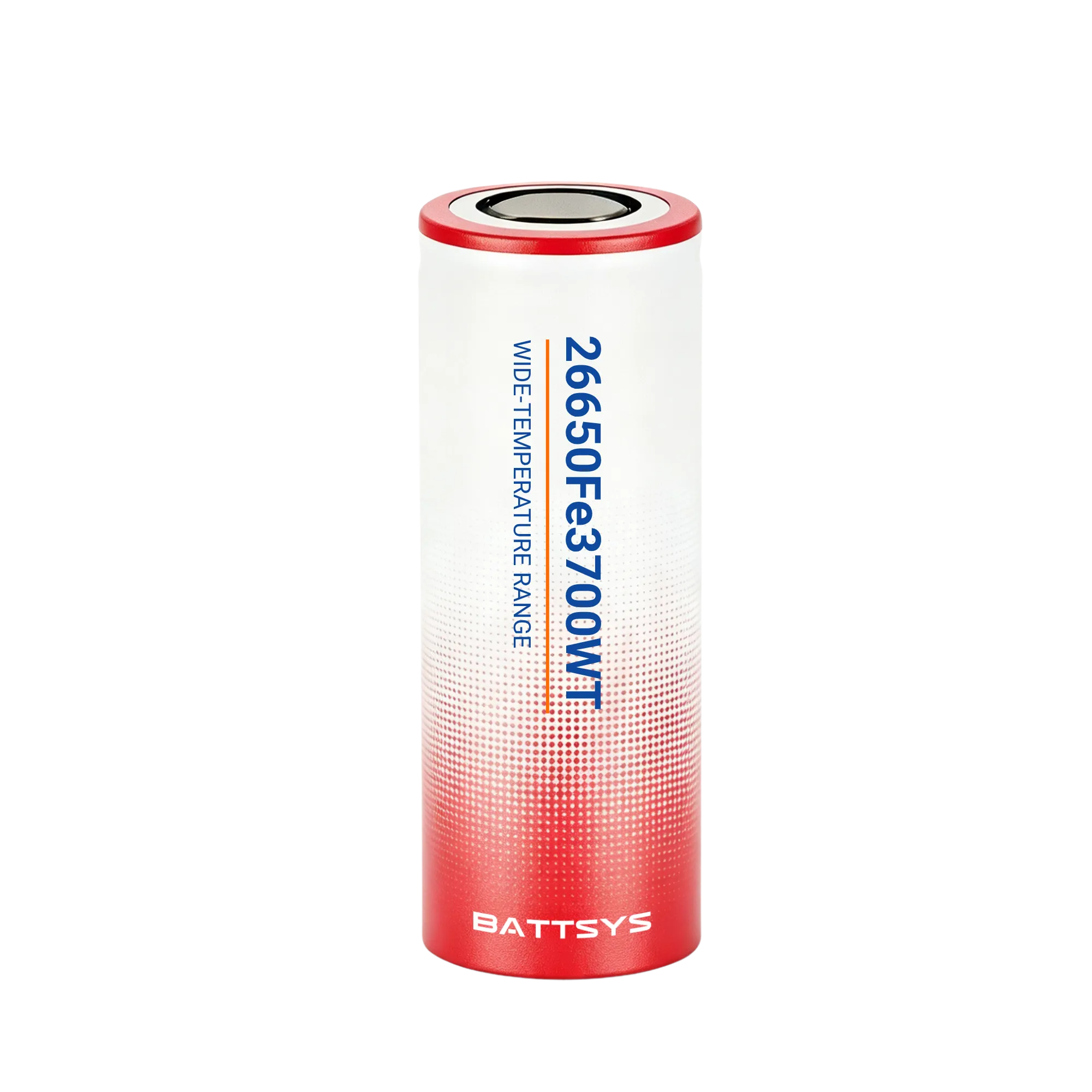
As a classic model of the lithium battery family, the 18650 is named after its size - diameter 18mm, length 65mm, with the "0" at the end representing cylindrical shape. Since Sony standardized it in the 1990s, this type of battery has become almost a "standard" for 3C digital, power tools, and energy storage devices due to its high energy density, long cycle life, and stable performance.
The common 18650 lithium batteries on the market are mainly divided into two categories: ternary lithium batteries (such as NCM/NCA cathode materials) and lithium iron phosphate batteries (LFP cathode materials). Although their chemical systems are different, the charging voltage we are discussing today mainly targets ternary lithium batteries, which account for over 70% of the market share - this is also the type that users often come into contact with.
1. Balance point between performance and lifespan: Accurately controlling the termination of charging at 4.2V can maximize the available capacity of 18650 lithium batteries, while avoiding structural damage to electrode materials caused by overcharging, thereby significantly extending their cycle life. This is the cornerstone of the long-term stable operation of 18650 lithium batteries.
2. The key defense line for safety: Charging (overcharging) beyond 4.2V is the enemy of 18650 lithium batteries! Overcharging can exacerbate internal side reactions in the battery, generating a large amount of heat and gas. At worst, it can cause bulging and rapid performance degradation of 18650 lithium batteries. At worst, it may lead to uncontrolled heating, causing serious safety accidents such as fire and explosion. Therefore, the charger must be precisely controlled to ensure that 18650 lithium batteries never go beyond this dangerous situation.
What is the charging voltage of 18650 lithium battery?
3、 Safe charging, safeguarding your 18650 lithium battery
1. A dedicated charger is essential: be sure to use an intelligent charger designed specifically for 18650 lithium batteries. High quality chargers are equipped with precision control chips, strictly following the charging process of "constant current (CC) → constant voltage (CV) → trickle/cut-off", accurately controlling the voltage at 4.2V, and automatically stopping or switching to safe maintenance current after being fully charged. Poor quality chargers are the top choice for 18650 lithium batteries.
2. The temperature environment should be suitable: avoid charging 18650 lithium batteries in polar environments below 0 ° C or above 45 ° C. Low temperature charging can easily lead to lithium deposition, while high temperature can accelerate side reactions, both of which seriously damage the lifespan and safety of 18650 lithium batteries.
3. Power off in a timely manner to ensure safety: Even when using a smart charger, it is recommended to disconnect the power connection promptly after the 18650 lithium battery is fully charged to avoid unnecessary float charging, which can help extend the service life of the 18650 lithium battery.
4、 Case sharing
For example, last year a repair shop in Shenzhen took over an 18650 battery pack that was damaged due to high charging voltage. The test showed that the charging termination voltage of three batteries was mistakenly set to 4.35V. After three months of use, the capacity decreased by more than 40%. After disassembly, it was found that the negative electrode surface was covered with needle shaped lithium dendrites - this is a typical "overcharge damaged battery".
Engineers often say, "The charging voltage is the red line, but the control of the charging process is the key." The following three details will not be ignored by experienced users:
1. Charging devices must support the "constant current and constant voltage" mode
Qualified 18650 chargers (such as well-known brand TP4056 modules or dedicated charging boards) will use the "CC-CV" (constant current constant voltage) charging mode: in the early stage, they will be charged quickly with a constant current (such as 0.5C or 1C), and when the battery voltage approaches 4.2V, they will automatically switch to constant voltage mode, gradually reducing the current until charging is complete. This mode can ensure charging efficiency and avoid overcharging. However, low-quality chargers often only have constant voltage mode, and the current cannot be automatically adjusted, which can easily lead to false high voltage.
2. Temperature is an invisible 'voltage shark hand'
The charging voltage of lithium batteries varies with temperature: in low-temperature environments (such as below 0 ℃), the internal resistance of the battery increases, and the actual required charging voltage may be slightly higher than 4.2V; in high-temperature environments (such as above 45 ℃), the chemical reaction of the battery intensifies, and the upper limit of 4.2V may not be able to withstand it. Therefore, professional users (such as drone pilots and outdoor power players) will monitor the temperature in real time through the battery management system (BMS) and dynamically adjust the charging parameters. Ordinary users should try to charge in an environment around 25 ℃ when using it, avoiding playing while charging (high loads on devices such as mobile phones and laptops can indirectly affect battery temperature).
3. Don't let 'compatibility' become 'adventure'
Nowadays, many 18650 battery packs with multiple series and parallel connections (such as 3 series 12V and 4 series 14.8V) use "balanced charging" technology to ensure that the voltage of each battery cell is consistent. However, some "universal chargers" on the market only detect the entire set of voltage and do not monitor the voltage of a single section in order to save costs. For example, a set of 18650 battery packs with 4 strings (nominal 14.8V) should have a charging termination voltage of 16.8V (4 × 4.2V). However, if one of the batteries ages and the internal resistance increases, and the entire voltage reaches 16.8V, the aging battery may have already exceeded 4.2V. Therefore, for 18650 battery packs with more than 4 cells, it is necessary to choose a charger that supports single cell voltage detection.
What is the charging voltage of 18650 lithium battery?
5、 The 'longevity code' for 18650 lithium batteries
What is the charging voltage for 18650 lithium batteries at the beginning? The answer is very clear -4.2V (ternary lithium battery). But this is not the end point, but a starting point that requires comprehensive consideration of equipment, environment, and battery status.
The lithium battery technology in 2025 has become much more mature than ten years ago, but 'respecting battery characteristics' remains an unchanging truth. Whether it's replacing your phone with an 18650 battery cell or assembling an outdoor power supply, remember: don't be greedy for speed, don't cross boundaries, and monitor more to keep this classic "little cylinder" with you for longer.
6、 Choose reliable partners to ensure battery safety and performance
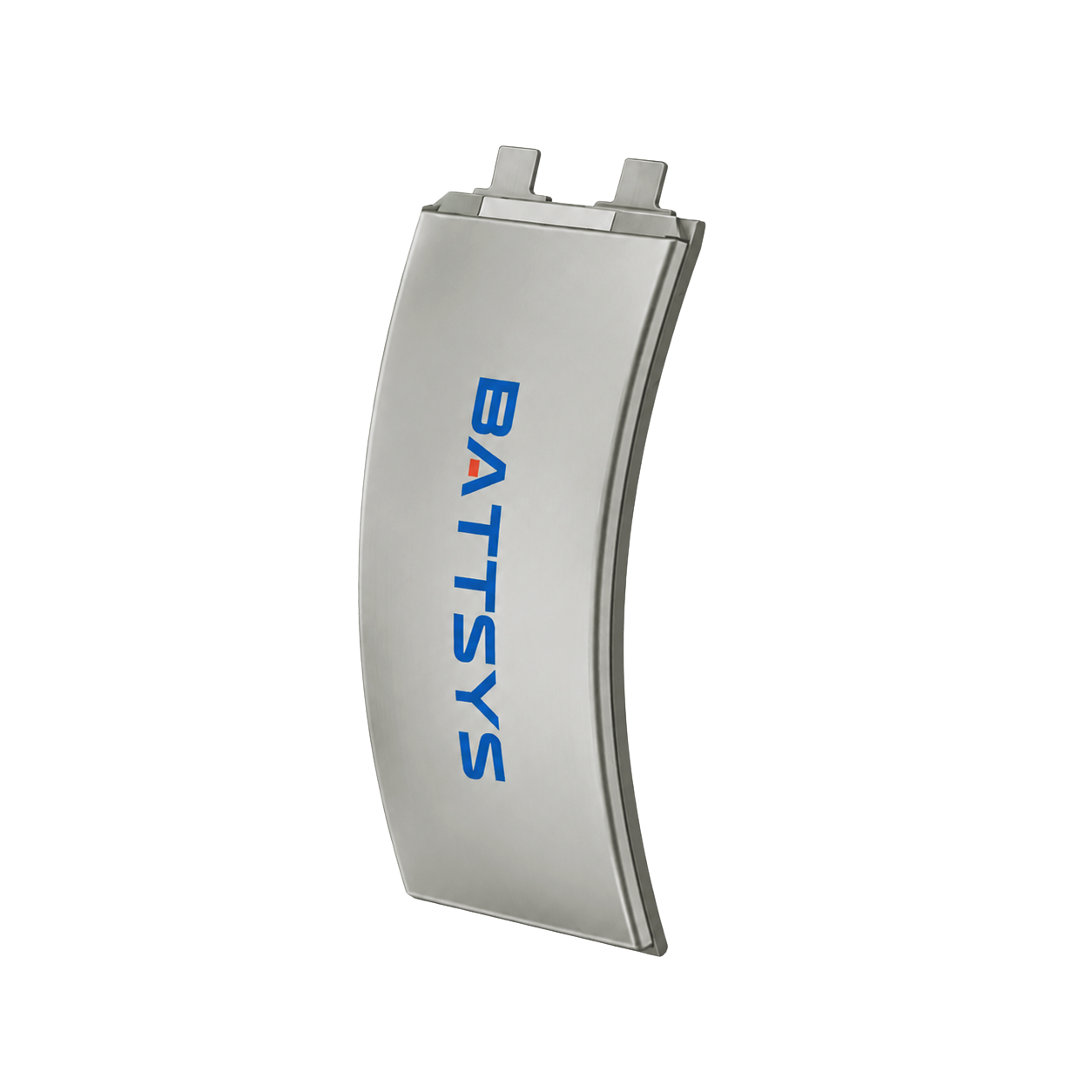
A deep understanding of the charging voltage of 18650 lithium batteries (core is 4.2V!) and strict adherence to safe charging regulations are the foundation for ensuring that every 18650 lithium battery in your hand can perform well and serve safely. The Chaoliyang factory is deeply involved in the lithium battery field, focusing on providing high-performance and high safety rechargeable battery solutions. Whether it's mature 18650 lithium batteries or flexible and lightweight polymer lithium batteries, we strictly control the entire production process from materials, cells to PACK grouping, ensuring that every battery meets strict quality and safety standards.
Next time you charge, why not take an extra 10 seconds to check the parameters of the charger - every effort you put into 18650 lithium batteries will result in longer battery life and more stable performance. The charging parameters mentioned in this article are applicable to conventional ternary lithium batteries. The charging termination voltage of lithium iron phosphate batteries is usually 3.65V, and the specifications indicated on the battery body should be followed during use.
What is the charging voltage of 18650 lithium battery?
What is the charging voltage of 18650 lithium battery? As a commonly used energy storage component, 18650 lithium batteries have clear charging voltage standards. Generally, its full charge cut-off voltage is 4.2V, and the nominal voltage is 3.7V. When charging, the voltage must be strictly controlled. If it exceeds the specified range, it may damage the battery performance and life, and even cause safety issues. It is necessary to follow the specifications when using it.