The difference between 18650 lithium battery and ternary lithium battery.
18650 lithium battery and ternary lithium battery are two common types of lithium batteries, which have some differences in battery size, material system, application field, performance characteristics, and other aspects. Here is a detailed comparison of these two types of batteries:

1. Size specifications
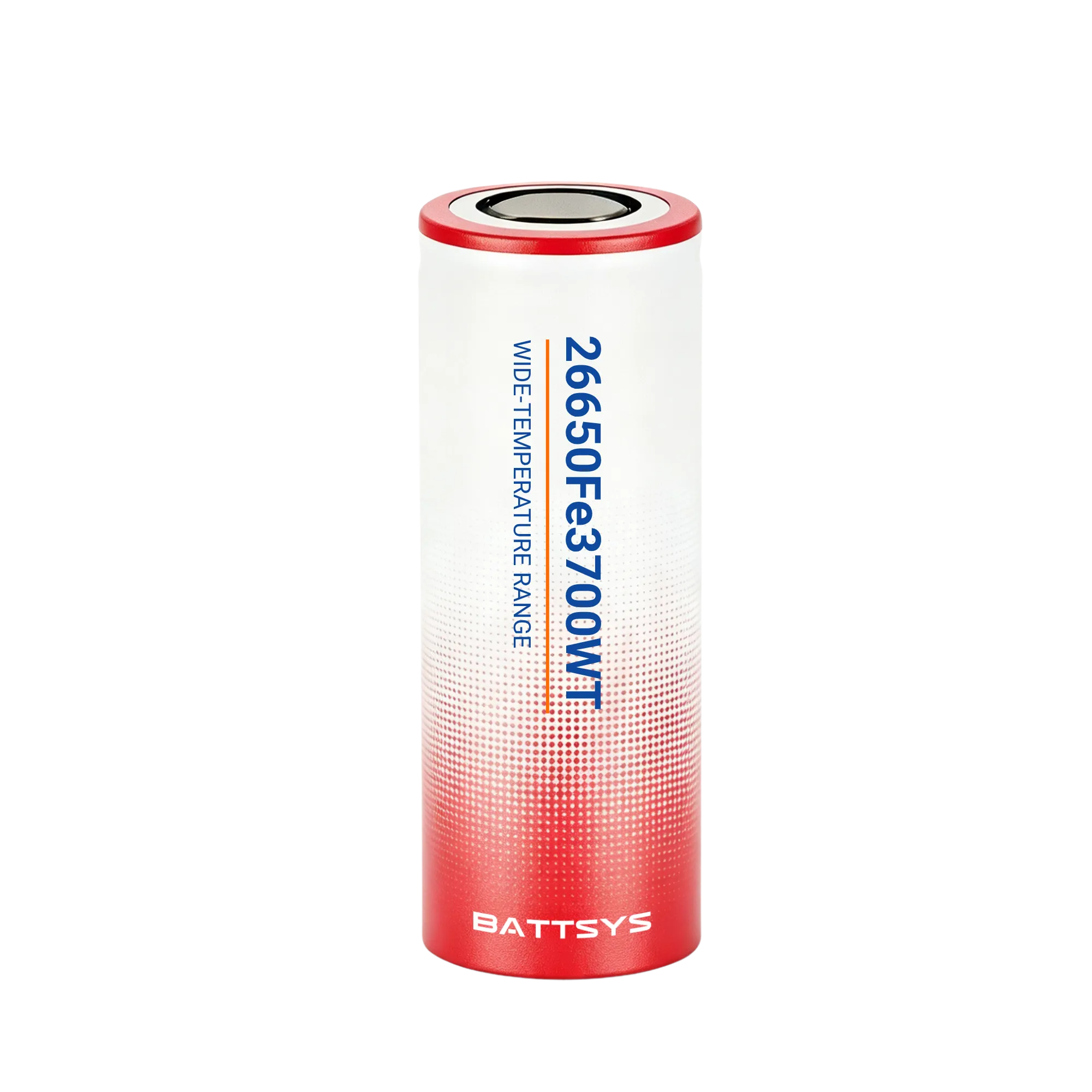
The name 18650 lithium battery comes from its size specifications: 18mm diameter, 65mm height, 0mm represents cylindrical battery. This type of battery is one of the earliest commercialized forms of lithium batteries, with high standardization and versatility.
Ternary lithium battery is a term for a material system that refers to lithium batteries that use nickel cobalt manganese or nickel cobalt aluminum as positive electrode materials. Ternary lithium batteries can be packaged in different forms, such as cylindrical, soft pack, and square, not limited to 18650 size.
2. Material system
18650 lithium batteries can use various positive electrode materials, including ternary materials, lithium iron phosphate (LFP), lithium cobalt oxide (LCO), etc. Therefore, not all 18650 batteries are ternary lithium batteries.
Ternary lithium batteries specifically refer to batteries that use nickel cobalt manganese or nickel cobalt aluminum oxide as positive electrode materials. These materials have high energy density and high voltage platforms, allowing ternary lithium batteries to store more energy at the same volume or weight.
3. Application Fields
18650 lithium batteries are widely used in fields such as laptops, electric bicycles, power tools, LED lighting, medical equipment, etc. due to their standardized size. They are also commonly used in some early electric vehicles and portable energy storage systems.
Ternary lithium batteries are mainly used in fields that require high energy density, especially electric vehicles and high-end consumer electronics products, due to their high energy density. In addition, ternary lithium batteries are also used in some high-performance energy storage systems.
4. Performance characteristics
The performance of 18650 lithium batteries depends on the positive and negative electrode materials used. For example, 18650 batteries using lithium cobalt oxide as the positive electrode can provide higher discharge voltage, but at a higher cost; The 18650 battery using lithium iron phosphate as the positive electrode has good thermal stability and cycle life.
Ternary lithium batteries typically have the following performance characteristics:
High energy density: The energy density of ternary lithium batteries is usually higher than other types of lithium batteries, making them very popular in applications that require high energy output.
High voltage platform: The high operating voltage of ternary materials helps to increase the specific energy of the battery.
Cycle performance: With the advancement of technology, the cycle performance of ternary lithium batteries has been significantly improved, but it is still lower than some other types of lithium batteries, such as lithium iron phosphate batteries.
Cost: The cost of ternary lithium batteries is usually higher than other types of lithium batteries, mainly due to the use of more expensive metals such as nickel and cobalt.
5. Security
The safety of 18650 lithium batteries depends on their material system and production process. Some material systems, such as lithium cobalt oxide, may pose safety risks under high temperature or overcharge conditions.
Although ternary lithium batteries have high energy density, they also pose certain safety risks, especially in cases of overcharging, overheating, or physical damage. Therefore, ternary lithium batteries need to be equipped with complex battery management systems (BMS) and thermal management systems to ensure safe use.
6. Technological development
18650 lithium battery technology is already very mature, but with the demand for higher energy density batteries in electric vehicles and the development of battery packaging technology, square and soft pack batteries have gradually become the mainstream choice for power batteries.
The technology of ternary lithium batteries is still developing rapidly, and researchers and engineers are working hard to improve their energy density, reduce costs, enhance cycling stability, and strengthen their safety.