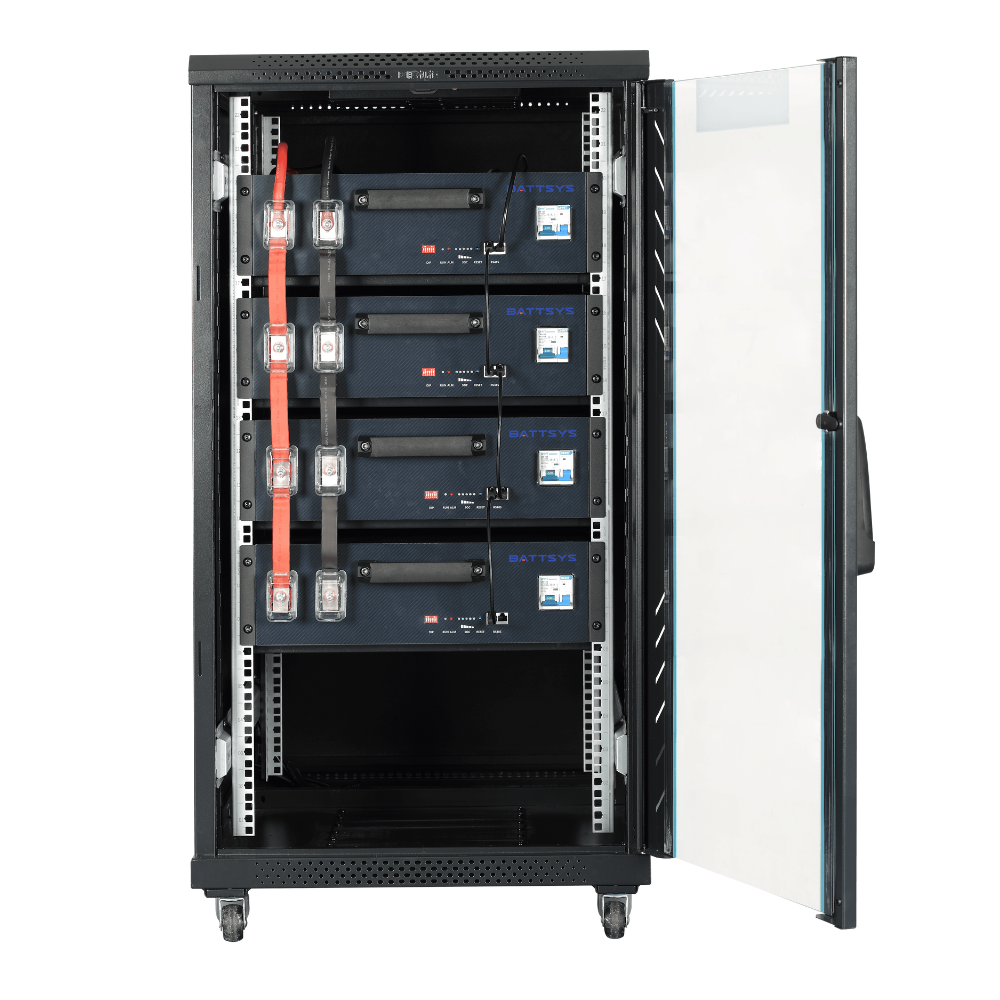
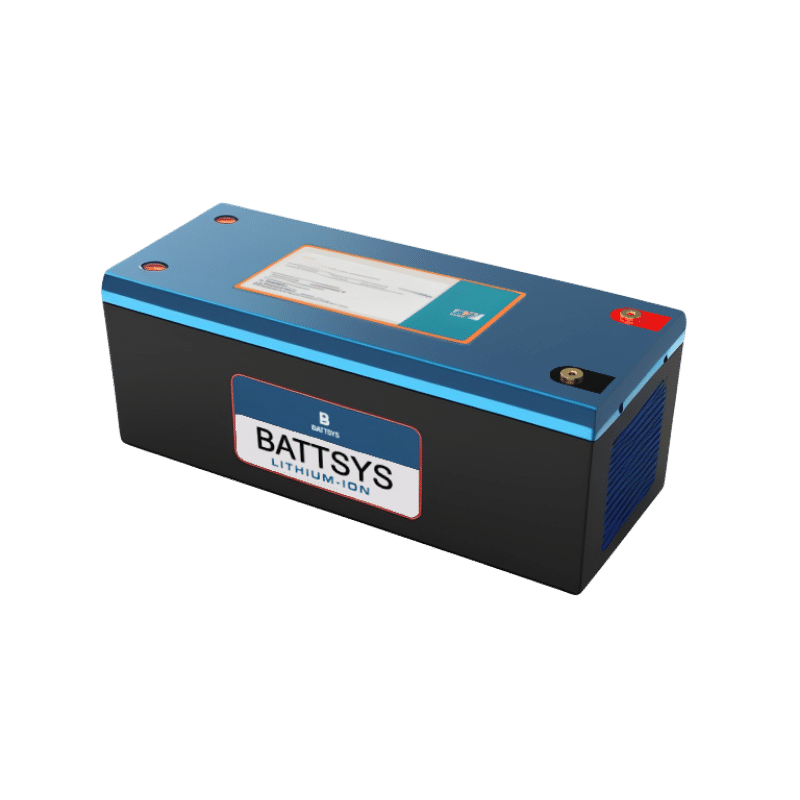
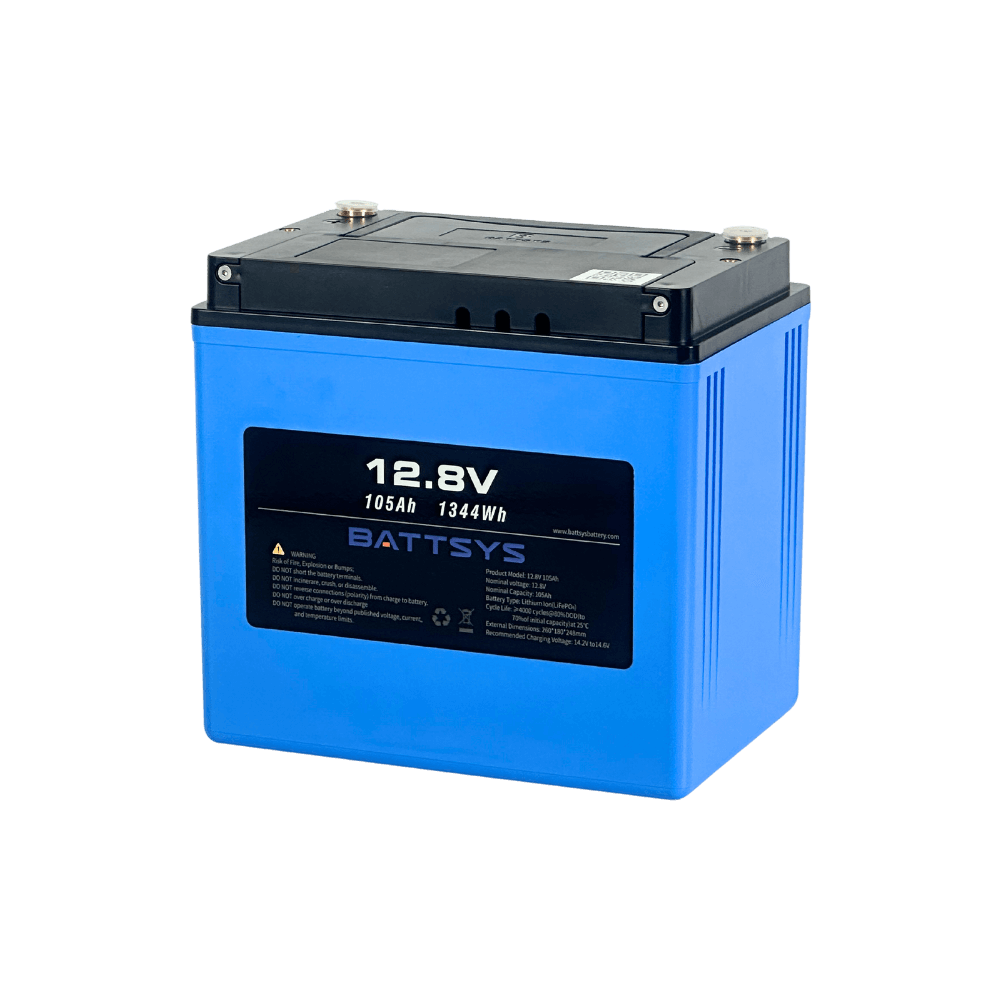
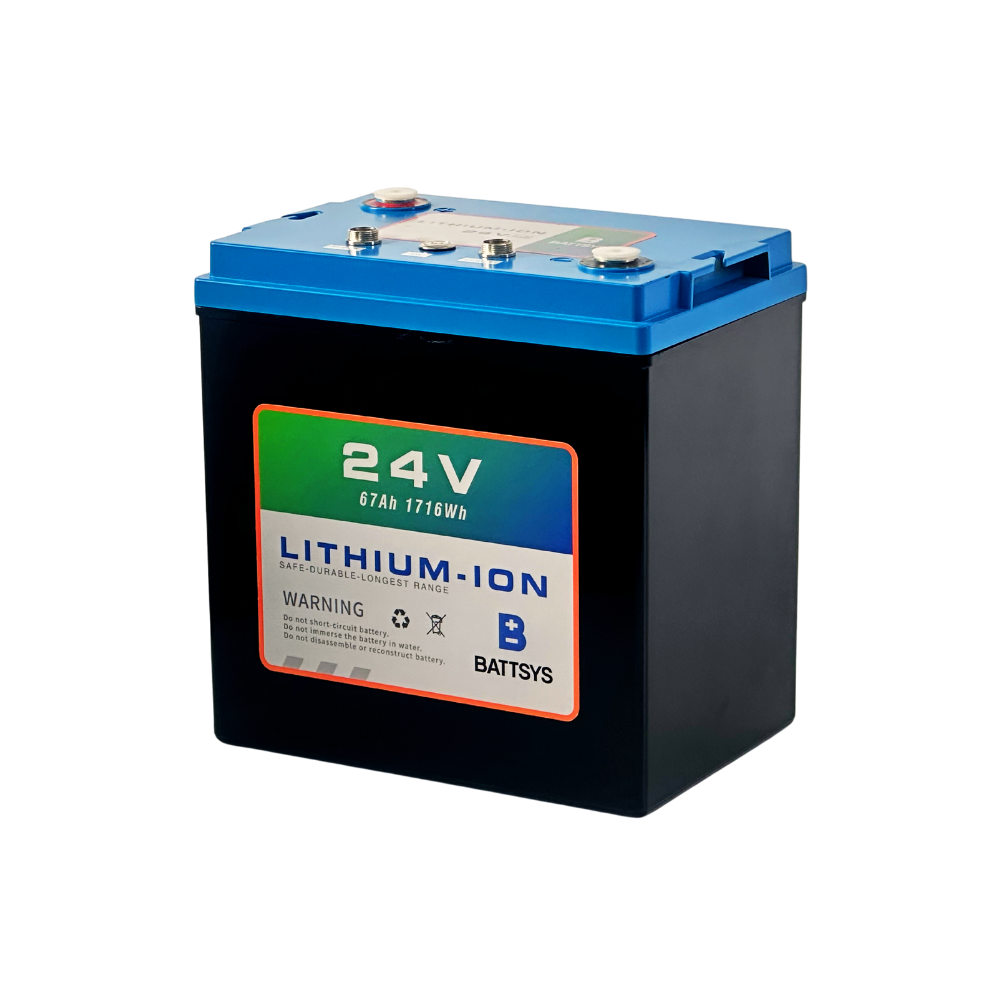
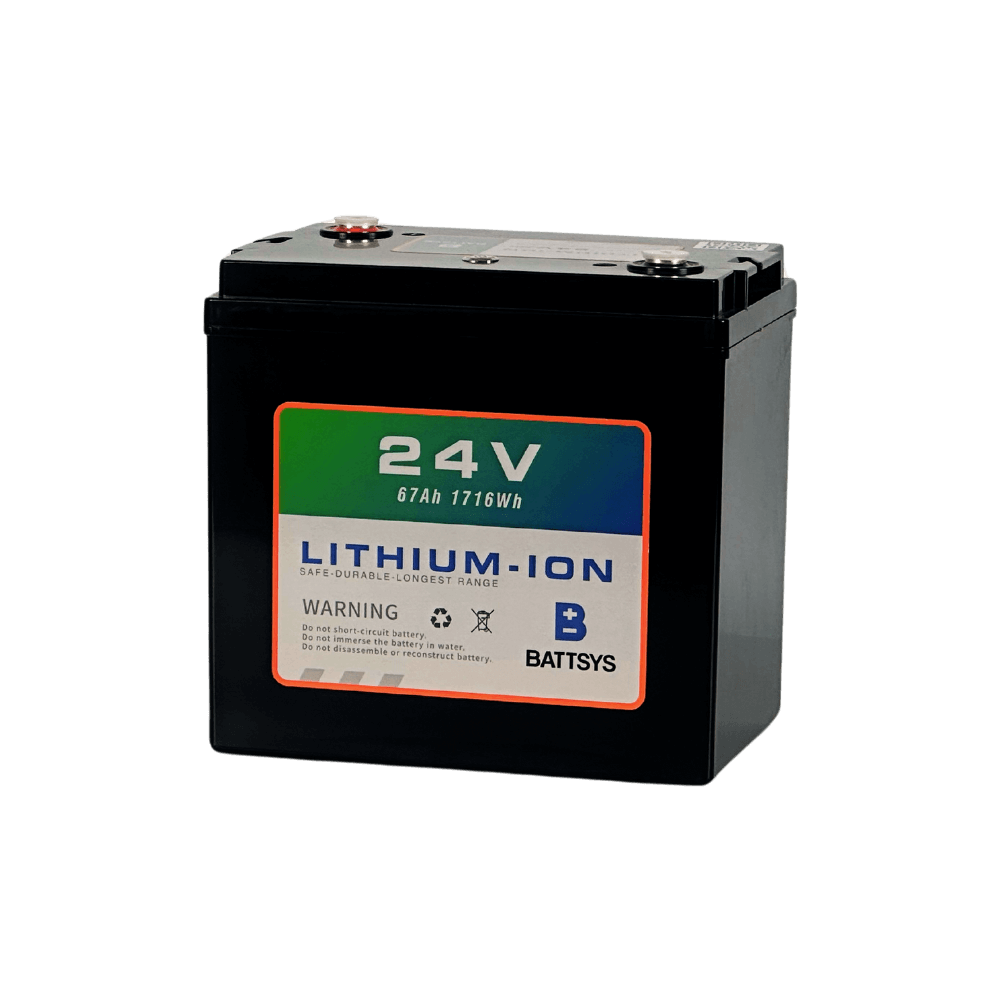
Detailed introduction to the working principle of polymer lithium batteries.
Polymer lithium batteries generally refer to lithium polymer batteries, also known as polymer lithium batteries, which are a type of battery with chemical properties. Compared to previous batteries, it has the characteristics of high energy, miniaturization, and lightweight.

The so-called lithium polymer battery refers to a battery system that uses polymer materials in at least one or more of the three elements. In lithium polymer battery systems, most polymer materials are used for the positive electrode and electrolyte. The positive electrode material uses conductive polymer or inorganic compounds commonly used in lithium-ion batteries, the negative electrode often uses lithium metal or lithium carbon interlayer compounds, and the electrolyte uses solid or colloidal polymer electrolytes or organic electrolytes. Due to the absence of excess electrolyte in lithium polymer, it is more reliable and stable.
The working principle of polymer lithium batteries
There are two types of lithium-ion batteries: liquid lithium-ion batteries (LIB) and lithium polymer batteries (PLIB). Among them, liquid lithium-ion batteries refer to secondary batteries with Li+embedded compounds as positive and negative electrodes. The positive electrode uses lithium compounds LiCoO2, LiNiO2 or LiMn2O4, and the negative electrode uses lithium carbon interlayer compound LixC6. A typical battery system is:
(-) C | LiPF6—EC+DEC | LiCoO2 (+)
Positive electrode reaction: LiCoO2=Li1-xCoO2+xLi++xe-
Neative electrode reaction: 6C+xLi++xe -=LixC6
Total battery reaction: LiCoO2+6C=Li1-xCoO2+LixC6
The principle of lithium polymer batteries is the same as that of liquid lithium, with the main difference being the electrolyte. The main structure of a battery includes three elements: positive electrode, negative electrode, and electrolyte. The so-called lithium polymer battery refers to the use of polymer materials as the main battery system in at least one or more of these three main constructions. In the developed lithium polymer battery system, polymer materials are mainly applied to the positive electrode and electrolyte.
Positive electrode materials include conductive polymer materials or inorganic compounds commonly used in lithium-ion batteries, while electrolytes can be solid or colloidal polymer electrolytes or organic electrolytes. Generally, lithium-ion technology uses liquid or colloidal electrolytes, requiring sturdy secondary packaging to contain flammable active ingredients, which increases weight and limits size flexibility.
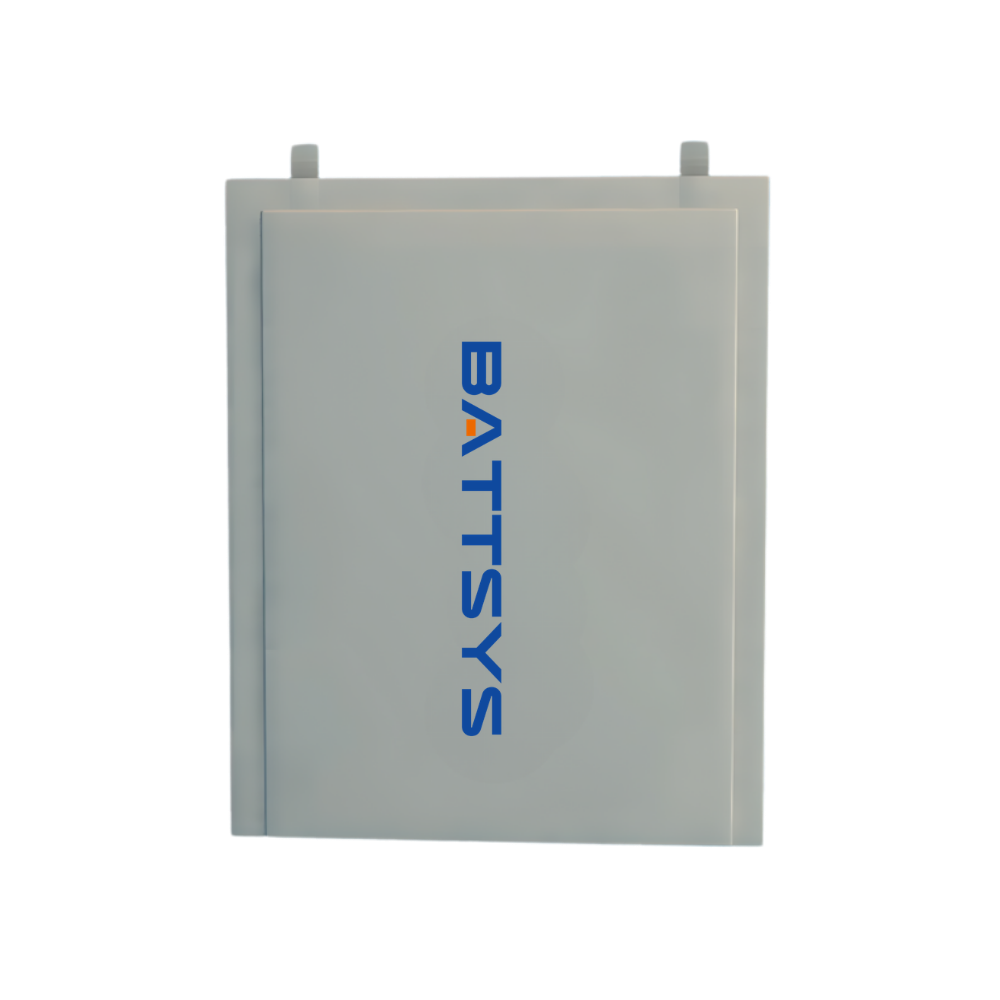
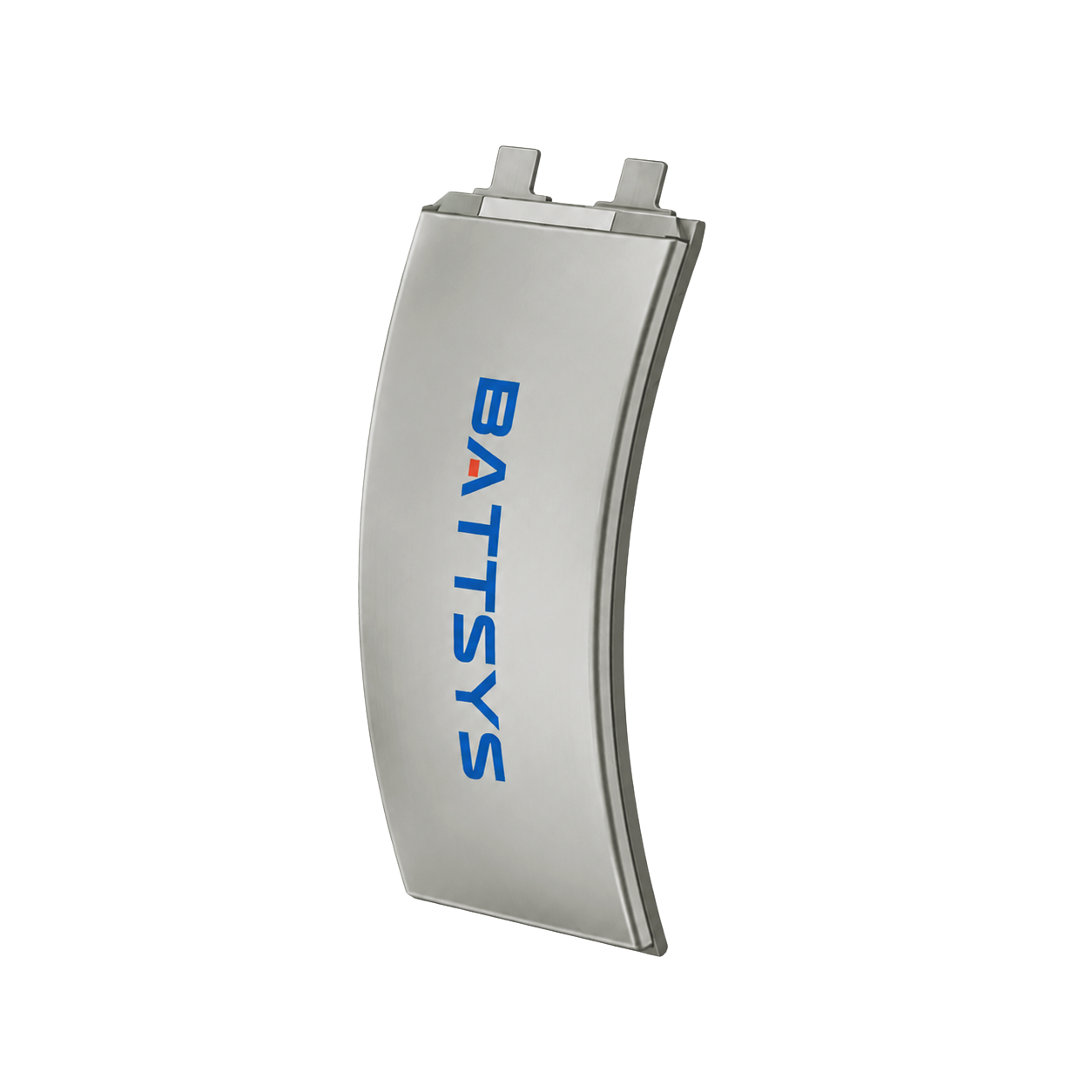
The new generation of lithium polymer batteries can theoretically achieve diversified shapes, which improves the flexibility of battery design and can be made into batteries with different shapes and capacities to meet product requirements. This provides high design flexibility and adaptability for application device developers in power solutions, maximizing their product performance. Meanwhile, the unit energy of lithium polymer batteries has increased by 10% compared to conventional lithium-ion batteries. Its capacity, cycle life, and other aspects have been significantly improved compared to lithium-ion batteries.