Characteristics of cylindrical battery cells.
Cylindrical battery cells, especially
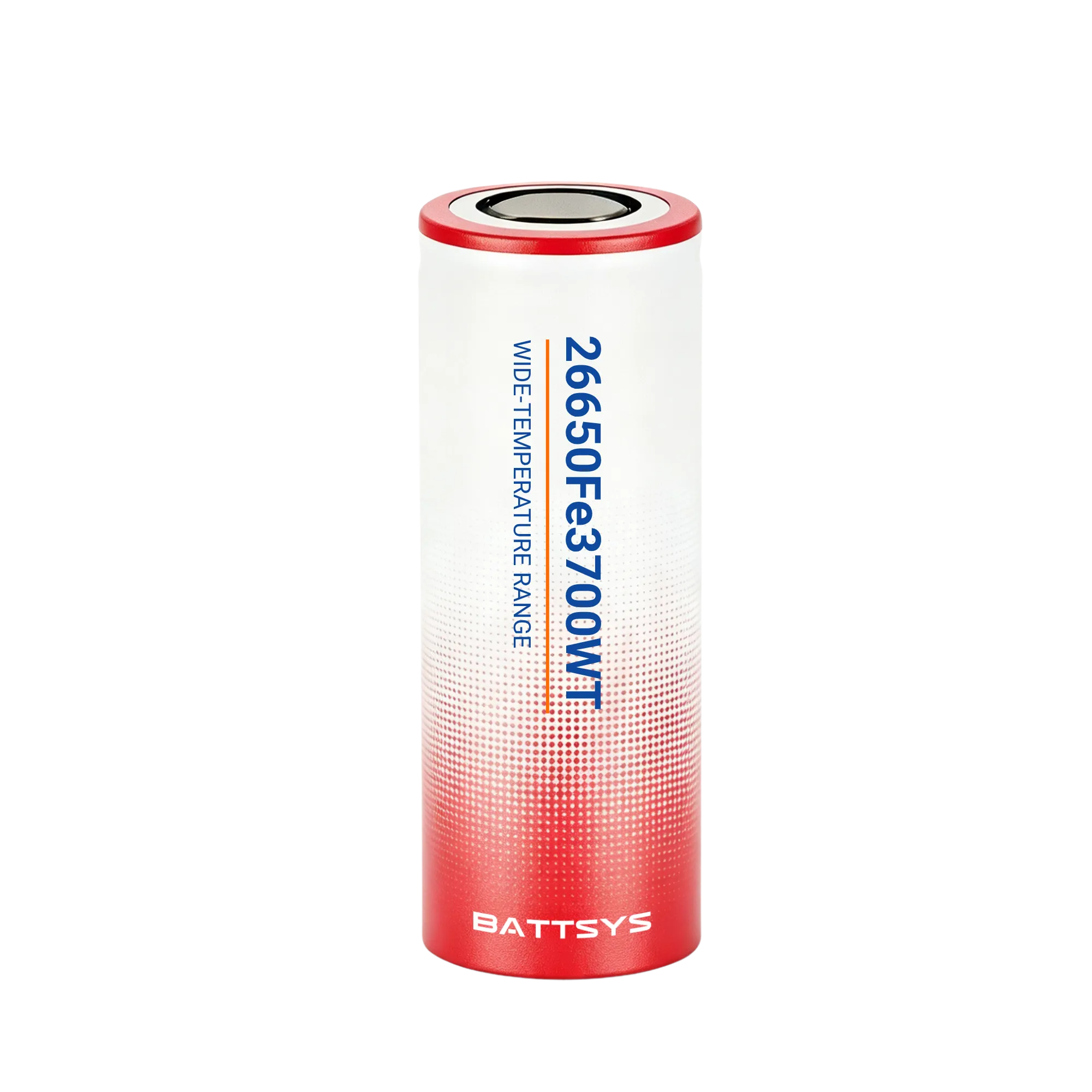
18650 battery, have the highest level of automation in their production among the three main forms of battery cells due to their structural characteristics and standardized models. This makes high consistency possible, and the yield rate is correspondingly improved. Data shows that major foreign manufacturers such as Samsung and Panasonic can achieve a yield rate of 98%, while Chinese manufacturers can also exceed 90%.
Advantages: 1) As mentioned earlier, the monomer consistency is good;

2) The mechanical properties of the individual cell are good. Compared with square and soft pack batteries, a closed cylinder can achieve the highest bending strength under approximate size;
3) The technology is mature and the cost is low, but at the same time, the space for cost optimization has also been almost exhausted;
4) The single energy is small, and in the event of an accident, the form is easy to control, but this is also becoming the reason for its replacement (as the popular saying goes, what achieves you will destroy you, and what cannot kill you will make you strong, the same principle applies to things)
Disadvantages: 1) In the context of electric vehicles, the number of cylindrical cells in the battery system is large, which greatly increases the complexity of the battery system. Whether it is the mechanism or the management system, compared to the other two types of batteries, the system level cost of cylindrical batteries is relatively high;
2) Under uneven temperature conditions, the probability of a large number of battery cell characteristics being differentiated increases. Of course, Tesla's choice of 18650 at the beginning of the design is believed to be a last resort, because 10 years ago, only cylindrical batteries could be mass-produced as qualified power batteries. The safety and thermal management requirements of batteries are actually the driving force behind the development of their powerful electronic control systems.
3) The room for increase in energy density is already very small. In 2016, it was reported that AMD achieved a single cell capacity of 4050mAh and a cell specific energy of 306Wh/kg, but no higher records have been seen since then. Within a given space, it is widely recognized that relying solely on materials is a difficult path to take.